How Can Crypto Transactions Be Traced
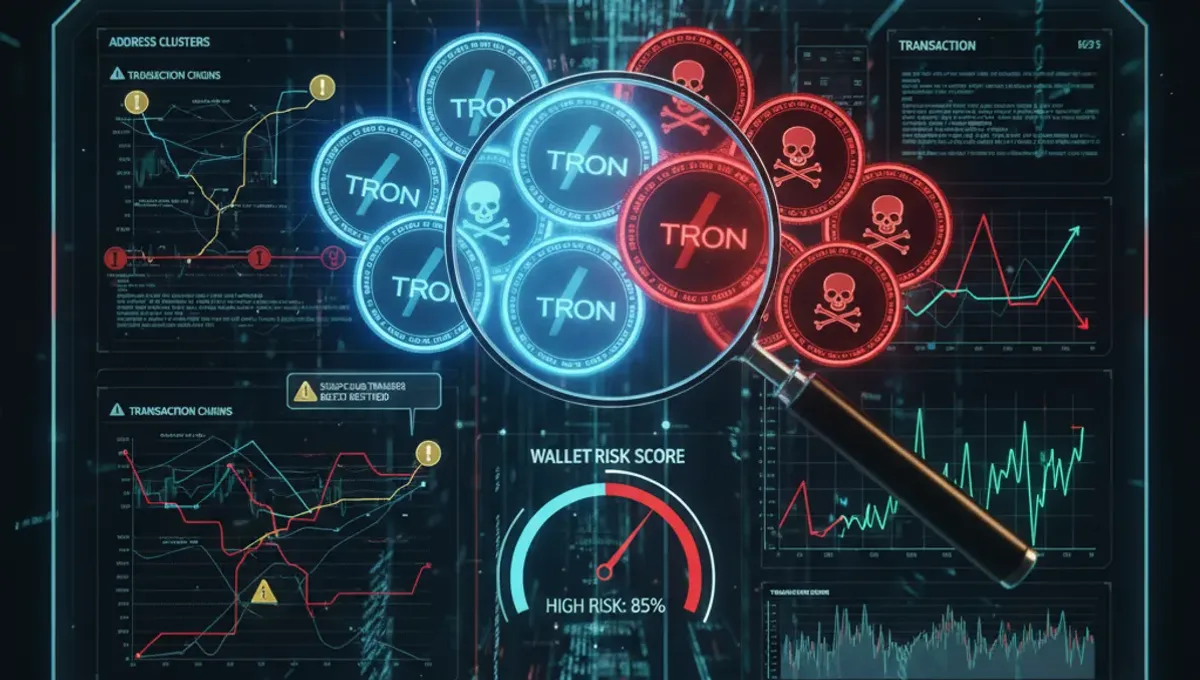
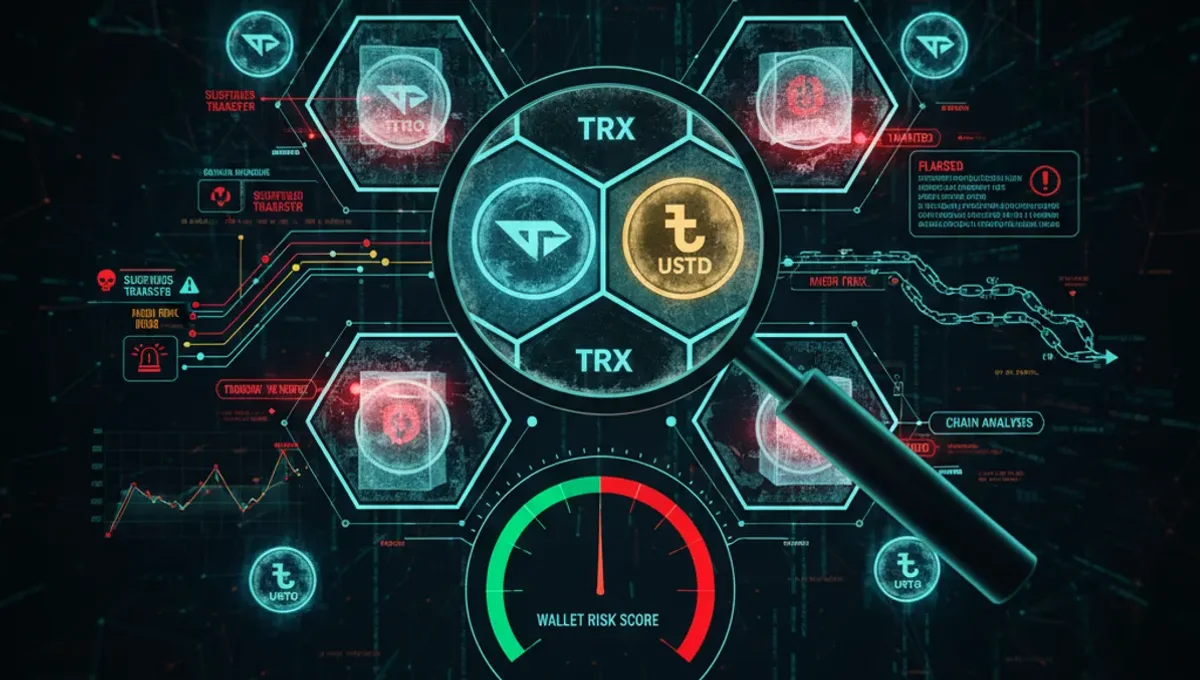
Every crypto transaction leaves a permanent record on the blockchain. Unlike cash, which is anonymous once handed over, crypto moves through a traceable ledger where wallet addresses, amounts, and timestamps are visible to anyone. Blockchain analytics firms use this data to follow the path of stolen funds across exchanges, mixers, and wallets. When a thief moves stolen crypto, each transaction creates a new link in the chain. AML compliance teams at exchanges monitor incoming deposits and flag addresses linked to known theft or darknet activity. This traceability is why many stolen funds get frozen before they can be cashed out. The longer a thief holds stolen crypto without moving it, the more time law enforcement and exchanges have to identify and block it.
What Is KYT Crypto and How Does It Help Recovery
KYT stands for Know Your Transaction, a blockchain monitoring tool that tracks crypto movement in real time. Unlike KYC (Know Your Customer), which verifies user identity at signup, KYT watches where funds go after they enter the system. When you receive crypto, a KYT check can reveal whether those coins have been flagged as stolen, linked to sanctions, or associated with darknet markets. Exchanges use KYT to catch tainted coins before deposits settle. If stolen crypto passes through an exchange with active KYT monitoring, the transaction can be halted and the funds frozen. For recovery, this means stolen coins that move through regulated exchanges are more likely to be caught. Running an AML check on a suspicious wallet address uses similar transaction-monitoring logic to assess risk and trace the source of funds.
Steps to Check If Your Stolen Crypto Was Flagged
If your crypto was stolen, follow these steps to determine if it has been flagged as tainted:
- Note the wallet address where your funds were sent. This is your starting point for any trace.
- Use an AML check service to scan that address for risk flags, darknet exposure, and sanctions links. Our curated list of verified AML services on this site offers trusted options to screen wallets quickly.
- Check if the address has moved funds to known exchanges. If yes, contact those exchanges with proof of theft (transaction ID, your wallet address, date).
- Look for mixer usage. If stolen funds were sent to a mixer, recovery becomes harder because the coins are deliberately obscured.
- File a report with local law enforcement and provide them with the blockchain evidence and AML check results.
- Alert your exchange or wallet provider so they can flag the sending address on their systems.
The sooner you run an AML check and report, the higher the chance exchanges will freeze the funds before they're withdrawn.
What Happens When Stolen Crypto Hits an Exchange
When stolen crypto reaches a regulated exchange, several things can happen depending on the exchange's AML crypto check protocols. Most major exchanges scan incoming deposits against known theft lists and sanctions databases. If a deposit matches a flagged address, the exchange will freeze the account and may hold the funds pending investigation. The exchange then contacts law enforcement if required by local regulations. In some cases, frozen USDT or other stablecoins can be recovered by the original owner if they provide proof of theft. However, if the thief has already withdrawn the funds to a bank account or converted them to cash, recovery becomes a matter for law enforcement and the receiving bank. Exchanges that skip rigorous AML checks are more likely to allow stolen funds to pass through, which is why using services from our verified AML services list helps you understand the compliance level of addresses you're dealing with.
Why Mixers and Darknet Activity Make Recovery Harder
Mixers are services designed to obscure the origin of crypto by combining many transactions into a pool and redistributing them randomly. When stolen funds enter a mixer, the trail becomes nearly impossible to follow. Darknet markets also complicate recovery because they operate outside regulated exchanges and often use multiple layers of mixing. If your stolen crypto was sent to a mixer or darknet address, traditional recovery through exchange freezes becomes unlikely. However, law enforcement agencies and blockchain analysts have developed techniques to track mixer outputs, and some mixers have been shut down by authorities. An AML check will flag addresses with known mixer or darknet exposure, which tells you whether recovery is still possible. If your stolen funds show darknet exposure in an AML check, report this to law enforcement immediately, as it may indicate the thief is part of a larger criminal operation.
What to Do If You Receive Stolen Crypto
If you unknowingly receive stolen crypto, your actions matter for legal protection. First, do not spend or move the funds. Second, run an AML check on the sending address to confirm whether the coins are flagged as tainted. If the check shows theft, sanctions, or darknet links, contact your exchange immediately and report the deposit. Provide them with the AML check results and explain that you received the funds unknowingly. Most exchanges will freeze the account and investigate. In many jurisdictions, receiving stolen property unknowingly does not make you liable if you report it promptly. However, if you knowingly spend or move flagged crypto, you may face legal consequences. Using an AML check service before accepting large deposits protects you by revealing risk before the transaction settles. Check the trusted services on our AML services page to screen wallets before you deal with them.
When Can You Get Stolen Crypto Back
Recovery is most likely in these scenarios:
- The stolen funds were deposited to a regulated exchange within days of the theft, before the thief could withdraw them.
- You have proof of ownership (wallet backup, transaction history, exchange records).
- Law enforcement is actively investigating and can compel the exchange to return funds.
- The exchange has a theft recovery policy and the amount justifies the legal effort. Recovery is unlikely if: (1) The thief used a mixer or sent funds to a darknet address. (2) The funds were converted to cash or another currency. (3) Months have passed and the trail has gone cold. (4) The receiving exchange operates in a jurisdiction with weak AML enforcement. In practice, most stolen crypto is not recovered unless the amount is large enough to attract law enforcement attention. Running an AML check and reporting quickly gives you the best chance. Contact exchanges where the funds landed, provide your AML check results, and work with law enforcement.
Frequently asked questions
Can crypto transactions be traced on the blockchain
Yes. Every crypto transaction is recorded permanently on the blockchain with wallet addresses, amounts, and timestamps visible. Blockchain analysts and exchanges use this data to trace stolen funds across wallets and exchanges. Mixers and privacy coins make tracing harder, but not impossible. Law enforcement and AML teams routinely track transactions to identify theft and sanctions violations.
How long does it take to recover stolen crypto
Recovery speed depends on when you report the theft and whether funds hit a regulated exchange. If stolen crypto is frozen by an exchange within hours or days, recovery can take weeks to months through legal channels. If the thief used a mixer or moved funds to a darknet address, recovery is unlikely. Most cases without law enforcement involvement never recover the funds.
What should I do immediately after my crypto is stolen
First, note the wallet address where your funds were sent. Run an AML check to see if the address is flagged for theft or darknet activity. Contact your exchange and any exchanges where the funds may have landed. File a report with local law enforcement and provide them with the blockchain evidence and AML check results. Do not attempt to track or contact the thief yourself.
Does an AML check tell me if my stolen crypto was recovered
An AML check shows whether a wallet address is flagged as containing tainted or stolen coins. If the address shows a theft flag, it means the coins are on a known theft list. If the flag disappears after you report the theft, it may indicate the funds were frozen or recovered. Use our verified AML services to monitor the address over time.
Can I get in trouble for receiving stolen crypto by accident
No, if you report it immediately. Receiving stolen crypto unknowingly is not a crime in most jurisdictions if you report it to your exchange and authorities promptly. However, if you knowingly spend or move flagged crypto, you may face legal consequences. Run an AML check on large deposits before accepting them to avoid this risk.