What Is KYC in Cryptocurrency
KYC in crypto refers to identity verification procedures that exchanges, custodians, and regulated platforms use to confirm who owns a wallet or account. Unlike traditional banking, where KYC happens once at account opening, crypto KYC often extends to transaction monitoring and wallet screening. When you deposit funds to an exchange or receive a large transfer, the platform may request proof of identity, source of funds, or wallet ownership. This process protects exchanges from regulatory fines and helps prevent money laundering. KYC requirements vary by jurisdiction and exchange; some platforms enforce strict verification while others operate with minimal checks. The goal is to create an auditable record linking real-world identity to on-chain activity.
How KYT Crypto Meaning Differs from KYC
KYT (Know Your Transaction) is the ongoing monitoring of blockchain transactions after they occur, whereas KYC is identity verification before or during account setup. KYT crypto meaning encompasses transaction analysis, risk scoring, and detection of suspicious patterns such as rapid fund movement, mixing service usage, or transfers to darknet addresses. While KYC answers the question 'who is this person,' KYT answers 'where did this money come from and where is it going.' Both are essential components of a complete AML crypto check. Many exchanges use KYT tools to screen incoming deposits in real time, flagging wallets with high-risk histories. Together, KYC and KYT create a comprehensive compliance framework that reduces exposure to tainted coins and regulatory enforcement.
KYC and AML Check Crypto Compliance
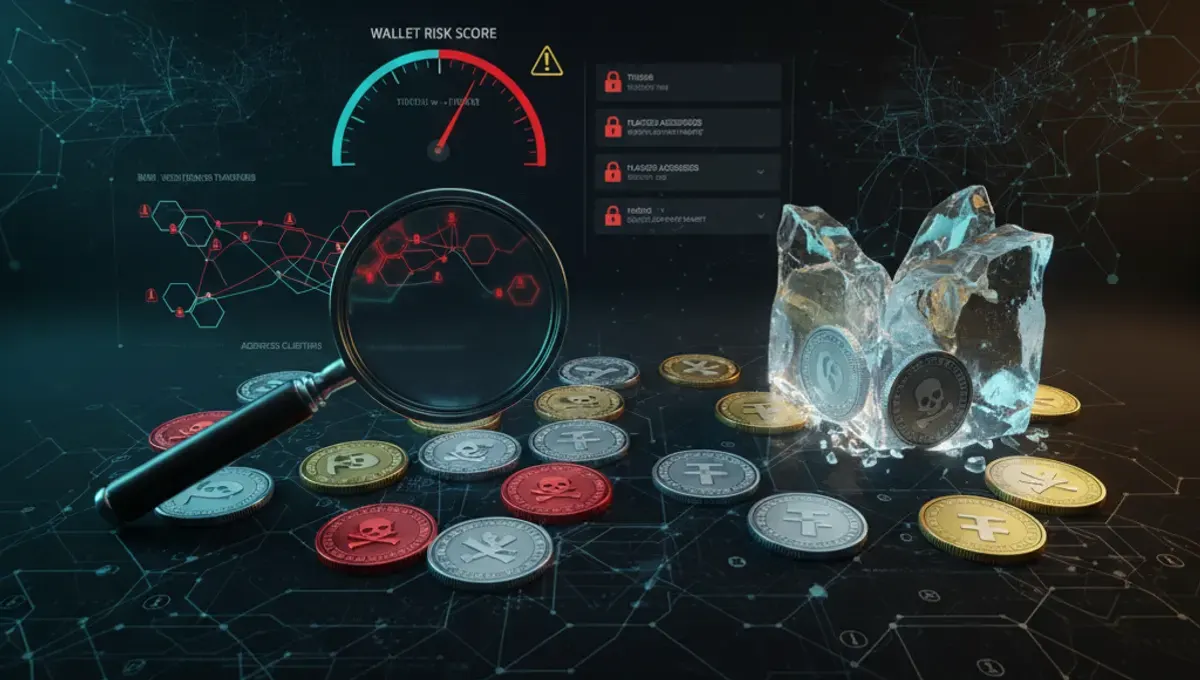
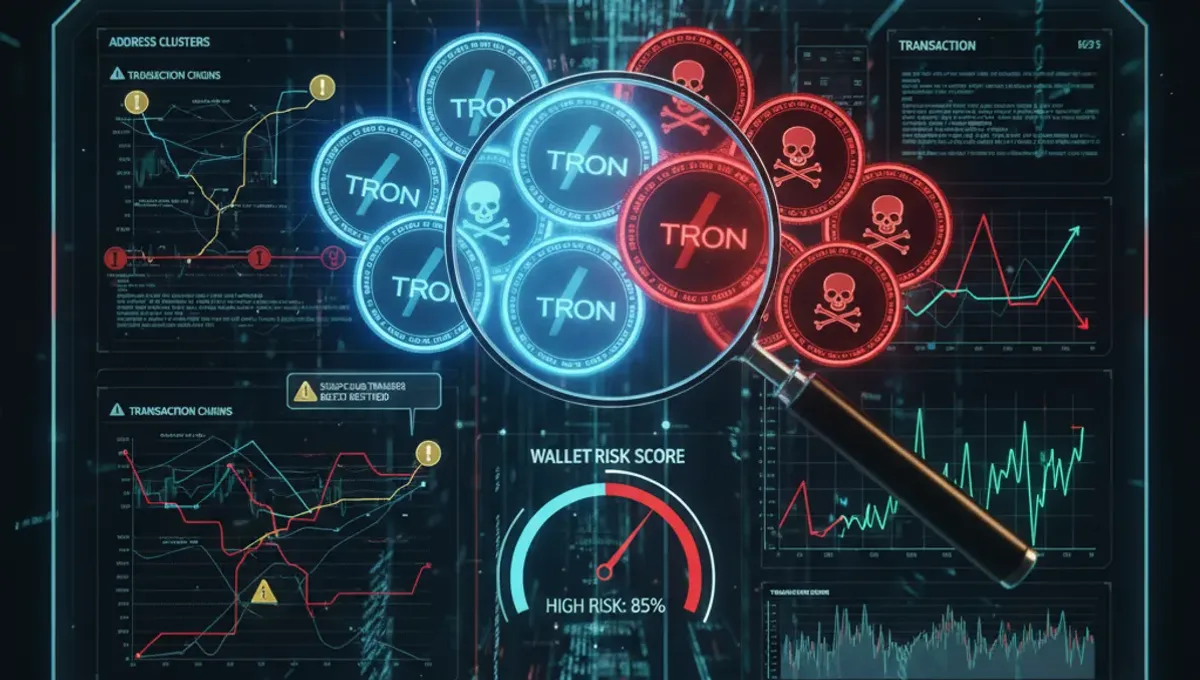
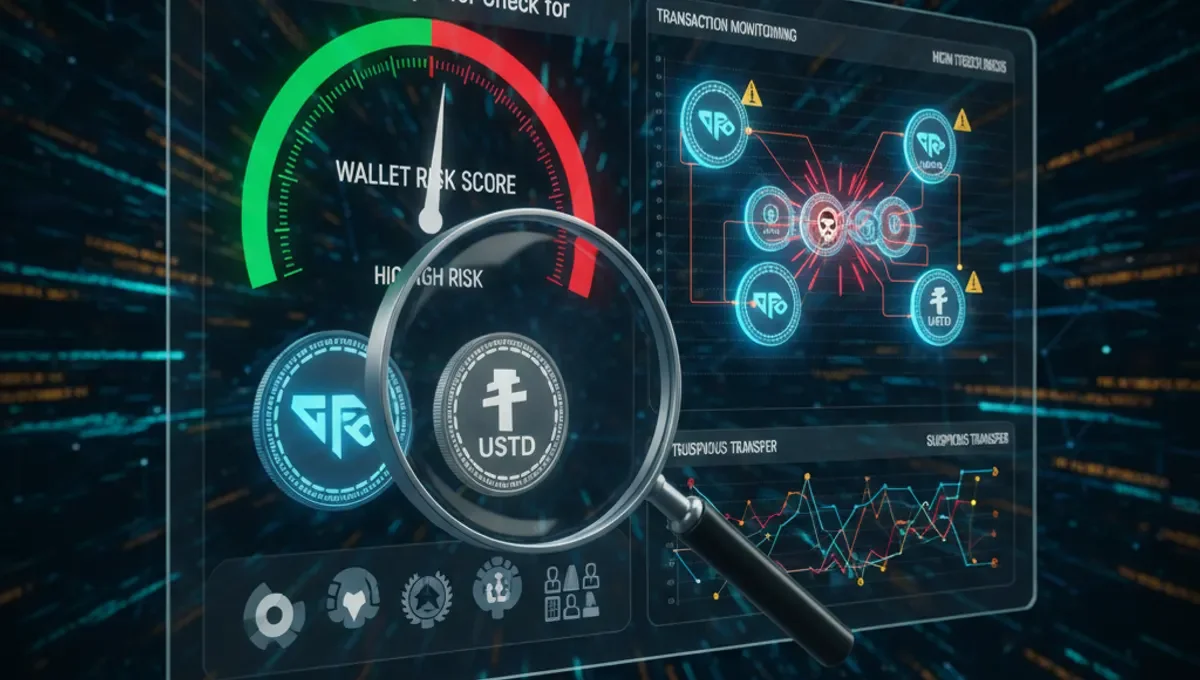
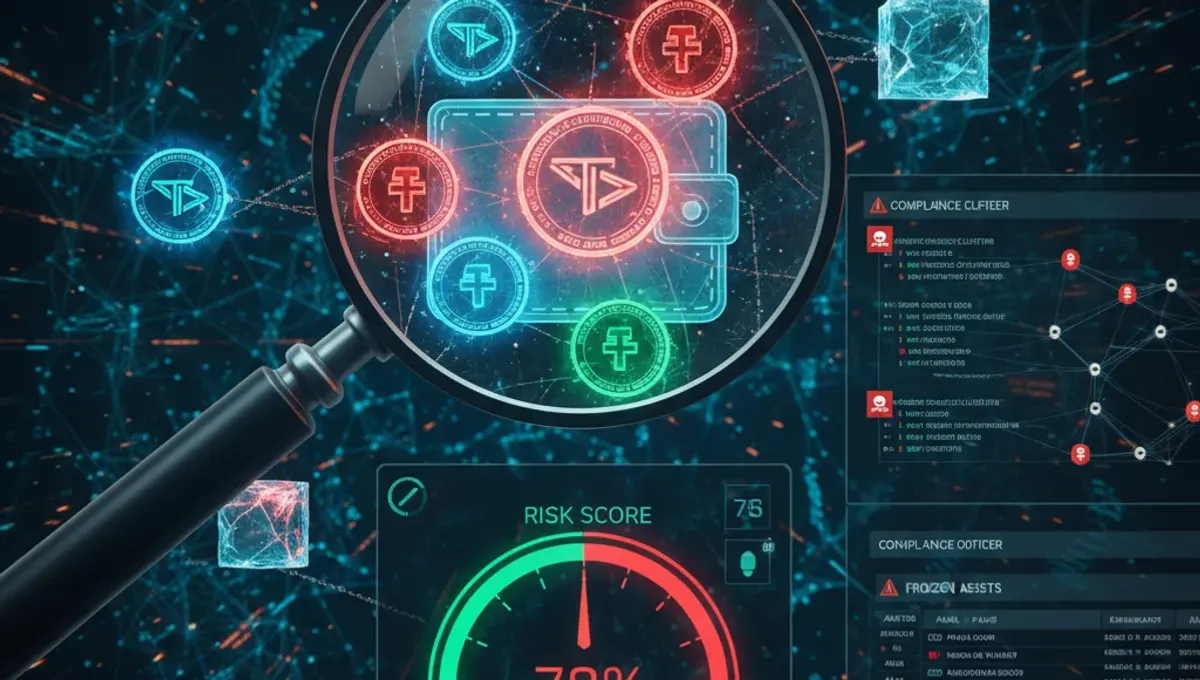
An AML check crypto process integrates KYC identity verification with KYT transaction screening to produce a risk score for a wallet or transaction. When you receive USDT or TRX from an unknown source, an AML check examines the wallet's history: Has it received funds from mixers or gambling platforms? Does it have darknet exposure? Is it linked to a sanctioned entity? The risk score reflects the likelihood that the funds are illicit or frozen. Compliance teams at exchanges use these scores to decide whether to accept, hold, or reject a deposit. A low-risk score typically means the wallet has a clean history and transparent fund sources. A high-risk score may trigger additional KYC requests, transaction delays, or account freezes. Proper AML check crypto procedures protect both the platform and the user from regulatory penalties and frozen funds.
How to Check a Wallet Before Receiving Crypto
Before accepting a transfer of USDT, TRX, BTC, or ETH, screen the sending wallet using an AML check service. Here is a practical approach:
- Obtain the sender's wallet address (TRC20 for USDT/TRX, or the appropriate network).
- Enter the address into a trusted AML check tool from the verified services listed on this site.
- Review the risk score and detailed report: check for mixer exposure, darknet connections, stolen-fund flags, and sanctions list matches.
- If the risk score is low (typically under 30–40 on a 0–100 scale), the wallet is generally safe to receive from.
- If the score is high or shows red flags, ask the sender for clarification or decline the transfer.
This simple step prevents you from receiving tainted coins that could later be frozen by exchanges or flagged by compliance systems. Many users skip this check and later face account restrictions when their exchange detects high-risk funds.
Understanding Risk Score Levels and What They Mean
A crypto wallet risk score is a numerical rating (usually 0–100) that reflects the likelihood of illicit activity or regulatory issues. Here is how to interpret common ranges:
- 0–20: Very low risk. The wallet has a clean history, no mixer or darknet exposure, and transparent fund sources.
- 21–50: Low to moderate risk. Minor flags such as exchange interactions or older transactions, but no major red flags.
- 51–75: Moderate to high risk. Possible mixer usage, gambling platform exposure, or unclear transaction patterns.
- 76–100: High risk. Strong indicators of illicit activity, darknet connections, stolen funds, or sanctions list matches.
Exchanges typically freeze or reject deposits from wallets scoring above 75. Some platforms set stricter thresholds (above 50). Understanding these levels helps you decide whether to proceed with a transaction or request additional information from the sender. A wallet's risk score can change over time as new transactions are added to its history.
What Happens When Crypto Is Flagged as Tainted or Dirty
When a wallet or transaction is flagged as tainted (containing stolen funds, mixer outputs, or darknet proceeds), several consequences can follow. First, exchanges may freeze the account or delay withdrawals pending additional investigation. Second, the user may receive a compliance inquiry asking for proof of legitimate fund source. Third, if the exchange cannot verify the source, the account may be permanently restricted or the funds returned to the sender. In some jurisdictions, regulators may investigate the user for potential money laundering violations. To avoid this situation, always screen wallets before receiving large transfers and maintain clear records of fund sources. If you receive flagged funds by mistake, contact the exchange's compliance team immediately and provide documentation of the error. Proactive wallet screening is the most effective way to prevent frozen USDT or account bans.
Best Practices for Crypto KYC and Wallet Screening
To minimize risk and maintain compliance, follow these practices:
- Screen every wallet before receiving significant amounts of USDT, TRX, BTC, or ETH, especially from unknown sources.
- Use verified AML check services from the curated list on this site; they provide reliable risk scoring and detailed transaction history reports.
- Keep records of wallet screening results and fund source documentation for your own compliance records.
- If a wallet shows moderate risk (score 40–60), request clarification from the sender about the fund source before proceeding.
- Avoid receiving funds from wallets with known mixer exposure, gambling platform connections, or darknet activity.
- Educate your team or business partners about the importance of wallet screening to prevent accidental receipt of tainted coins.
- Regularly review your own wallet's transaction history to ensure it remains low-risk and compliant.
These steps reduce the likelihood of frozen accounts, regulatory scrutiny, and reputational damage.
Frequently asked questions
What is the difference between KYC and KYT in crypto
KYC (Know Your Customer) is identity verification of the person or entity owning a wallet, typically done at account setup. KYT (Know Your Transaction) is ongoing monitoring of blockchain transactions to detect suspicious patterns, fund sources, and high-risk activity. Together they form a complete AML compliance framework.
Do I need to do KYC for every crypto transaction
Not for every transaction, but regulated exchanges require KYC at account opening. Transaction-level screening (KYT) happens automatically when you deposit or withdraw. If you receive a large transfer from an unknown source, the exchange may request additional KYC information to verify the fund source.
What happens if my wallet fails an AML check
If your wallet scores high-risk on an AML check, exchanges may freeze your account, delay withdrawals, or request proof of legitimate fund source. If you cannot verify the source, your account may be restricted or funds returned. Proactive wallet screening before receiving transfers prevents this situation.
How do I check if a wallet is safe before receiving USDT or TRX
Use a trusted AML check service to screen the sender's wallet address. Enter the address, review the risk score and transaction history report, and look for flags such as mixer exposure, darknet connections, or stolen funds. A low risk score (under 30–40) indicates a safe wallet to receive from.
What is a good risk score for a crypto wallet
A risk score below 30 is considered very low risk and generally safe. Scores between 30–50 are acceptable for most transactions but may warrant a quick review. Scores above 75 are high-risk and typically rejected by exchanges. Always check the detailed report, not just the number.