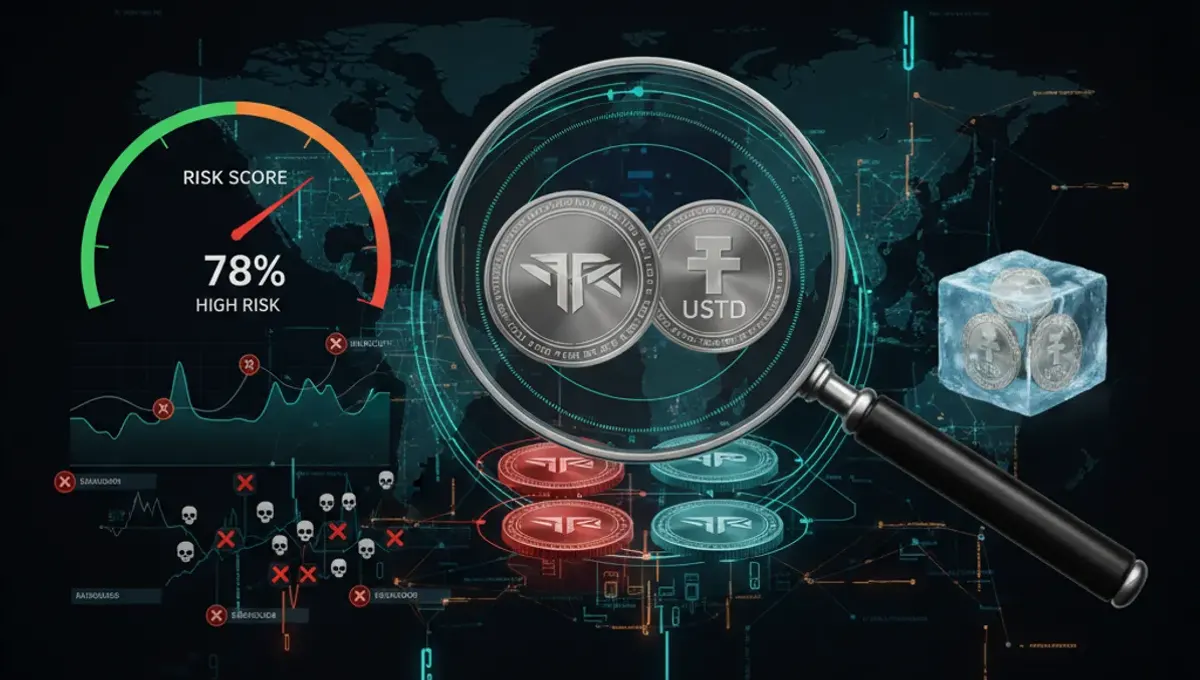
What Are AML Transaction Monitoring Rules in Crypto?
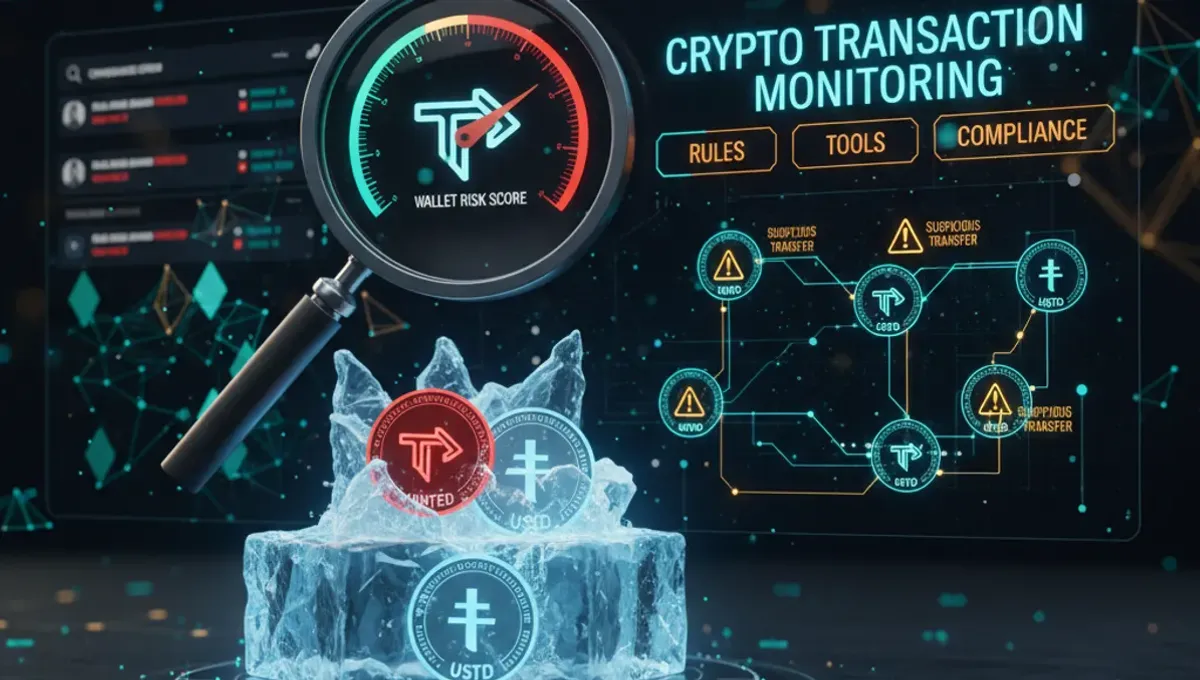
AML transaction monitoring rules are frameworks that crypto exchanges and custodians apply to flag high-risk transactions in real time. Unlike traditional banking, where transaction monitoring is standardized by regulators like FinCEN, crypto monitoring varies by jurisdiction and service provider. Most rules focus on transaction size, frequency, source and destination, and wallet history. A transaction monitoring system scans the blockchain to identify patterns linked to mixers, darknet markets, stolen funds, sanctioned entities, and gambling platforms. When a transaction matches a rule, it generates a risk score. The exchange then decides whether to accept, delay, or reject the transaction based on that score. These rules exist because regulators require exchanges to implement Know Your Transaction (KYT) controls alongside Know Your Customer (KYC) verification.
How Do Cryptocurrency Transaction Monitoring Rules Work?
Cryptocurrency transaction monitoring operates in layers. First, the system checks the sending wallet's history using blockchain analytics. If the wallet has received funds from a mixer, darknet market, or sanctioned address, the transaction is flagged immediately. Second, the system examines transaction metadata: size relative to the account's normal activity, frequency, and destination. A sudden large transfer to an exchange or mixer raises suspicion. Third, the system cross-references the receiving address against sanctions lists, known theft addresses, and other blacklists. Fourth, it applies rule sets specific to the exchange or custodian. For example, one exchange might block all transactions over 10 BTC from new accounts, while another might allow it if the account passed KYC. The entire process happens in milliseconds. If the transaction fails monitoring, the exchange notifies the user, freezes the funds, or rejects the transfer outright. Some exchanges offer a grace period for users to provide documentation proving the funds are legitimate.
What Risk Thresholds Trigger AML Alerts?
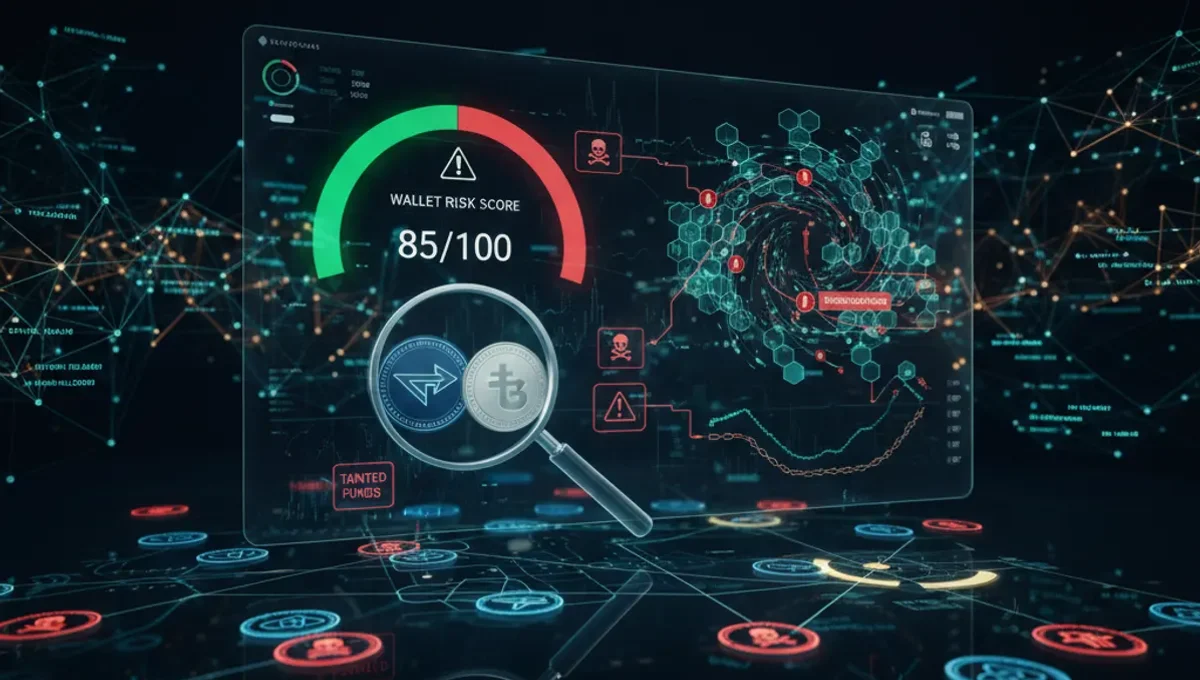
AML transaction monitoring rules use risk scores to determine action. Most exchanges categorize risk into levels: low (0–20%), medium (20–50%), high (50–80%), and critical (80–100%). A low-risk transaction typically passes silently. Medium-risk transactions may require additional review or documentation from the user. High-risk transactions are often frozen pending investigation. Critical-risk transactions are usually rejected or reported to authorities. Specific triggers include: transactions from addresses flagged in darknet market investigations, transfers from wallets linked to theft or ransomware, activity from sanctioned jurisdictions or entities, rapid movement through multiple wallets (chain-hopping), and deposits to gambling platforms followed by withdrawal to a new address. The exact thresholds vary by exchange. Some are stricter for new accounts or unverified users. Others apply different rules based on the asset type—USDT on Tron (TRC20) may have different monitoring than Bitcoin on the main chain.
Blockchain Transaction Monitoring and Tainted Coin Detection
Blockchain transaction monitoring uses immutable ledger history to trace coin provenance. Every transaction on Bitcoin, Ethereum, or Tron is recorded permanently, so analysts can follow a coin backward to its source. If a coin originated from a theft, mixer, or darknet market, it is considered tainted. Tainted coins carry higher risk because they may be subject to law enforcement seizure or exchange freezing. When you receive USDT or TRX, the exchange's monitoring system checks whether those specific tokens have been flagged as tainted. If they have, your account may be frozen until you provide proof of legitimate receipt, or the exchange may reject the deposit entirely. This is why receiving crypto from unknown sources is risky—you may unknowingly receive stolen or sanctioned funds. To avoid this, check the sending wallet's risk score before accepting a large transfer. Services listed on our AML Services page allow you to screen wallets and transactions before they settle, reducing the chance of receiving flagged coins.
Common AML Monitoring Rules and Compliance Triggers
Typical AML transaction monitoring rules include:
- Threshold-based rules—transactions above a set amount (e.g., 5 BTC) trigger manual review.
- Velocity rules—multiple transactions in short time windows flag rapid movement.
- Destination rules—transfers to known mixers, gambling sites, or darknet addresses are blocked.
- Source rules—deposits from sanctioned wallets or high-risk jurisdictions are rejected.
- Behavioral rules—activity inconsistent with account history (e.g., a small account suddenly sending 100 BTC) raises alerts.
- Counterparty rules—transfers to or from addresses linked to scams, ransomware, or theft are flagged.
- Structural rules—layering patterns (moving coins through many wallets to obscure origin) trigger suspicion. Exchanges also monitor for structuring—deliberately splitting large transactions into smaller ones to evade reporting thresholds. This is illegal in most jurisdictions and results in account closure and potential prosecution. Understanding these rules helps you avoid triggering them accidentally.
How to Check a Wallet Before Receiving Crypto
Before accepting a large crypto transfer, screen the sending wallet to avoid receiving tainted coins. Steps:
- Ask the sender for their wallet address.
- Visit a trusted AML check service (our curated AML Services page lists verified providers).
- Enter the wallet address and run a scan.
- Review the risk score and flagged categories. If the wallet shows exposure to mixers, darknet markets, or theft, ask the sender for clarification or decline the transfer.
- Check the transaction history—look for rapid movements, multiple hops, or suspicious patterns.
- If the score is low (under 20%), the transfer is likely safe. If it is medium (20–50%), request documentation from the sender. If it is high (above 50%), consider refusing unless the sender can prove legitimacy. For USDT and TRX transfers, also verify the sender's exchange account status—if their account is flagged or frozen, the coins may be problematic. This due diligence takes minutes and can save you from frozen funds or account bans.
What Happens When Your Crypto Is Flagged by AML Rules?
If your transaction or wallet is flagged by AML monitoring rules, several outcomes are possible. First, the exchange may freeze your account pending investigation. You will receive a notification explaining the reason (usually vague for compliance reasons). Second, you may be asked to provide documentation—proof of income, source of funds, or transaction receipts. Third, if the exchange determines the coins are tainted or linked to illegal activity, your account may be permanently closed and funds seized or returned to the original sender. Fourth, the exchange may report the activity to FinCEN or local regulators, which can trigger a government investigation. Fifth, if the coins are linked to sanctions, they will be frozen indefinitely. To minimize this risk, maintain clear records of all crypto purchases and transfers, use reputable exchanges for all transactions, and avoid receiving unsolicited transfers from unknown sources. If your account is frozen, contact the exchange's compliance team immediately with documentation supporting your claim.
Frequently asked questions
What is the difference between AML transaction monitoring and KYC?
KYC (Know Your Customer) verifies who you are during account signup. AML transaction monitoring watches what you do with your account—every transaction you send or receive. KYC happens once; monitoring is continuous. Both are required by law for regulated exchanges.
Can I appeal if my crypto transaction is blocked by AML rules?
Yes. Contact the exchange's compliance team and provide documentation proving the source of funds is legitimate. Include bank statements, invoices, or receipts. Response times vary from days to weeks. Some exchanges have formal appeals processes; others do not. Persistence and clear evidence improve your chances.
Do all exchanges use the same AML transaction monitoring rules?
No. Each exchange sets its own rules within regulatory requirements. Some are strict; others are lenient. Coinbase may block a transaction that Kraken allows. This is why the same wallet can have different outcomes on different platforms. Always check an exchange's compliance policy before using it.
What risk score should I accept when receiving crypto?
Scores below 20% are generally safe. Scores 20–50% warrant caution—ask the sender for proof of legitimacy. Scores above 50% carry significant risk and should be declined unless you fully trust the sender and have documentation. Use services on our AML Services page to check before accepting transfers.
How long does it take for AML transaction monitoring to flag a transaction?
Most systems flag transactions in milliseconds to seconds. Automated rules trigger instantly. Manual review can take hours to days. If a transaction is critical-risk, the exchange may freeze it immediately and investigate later. You will be notified of the hold and given a timeframe for resolution.