What Does KYT Mean in Crypto and Blockchain?
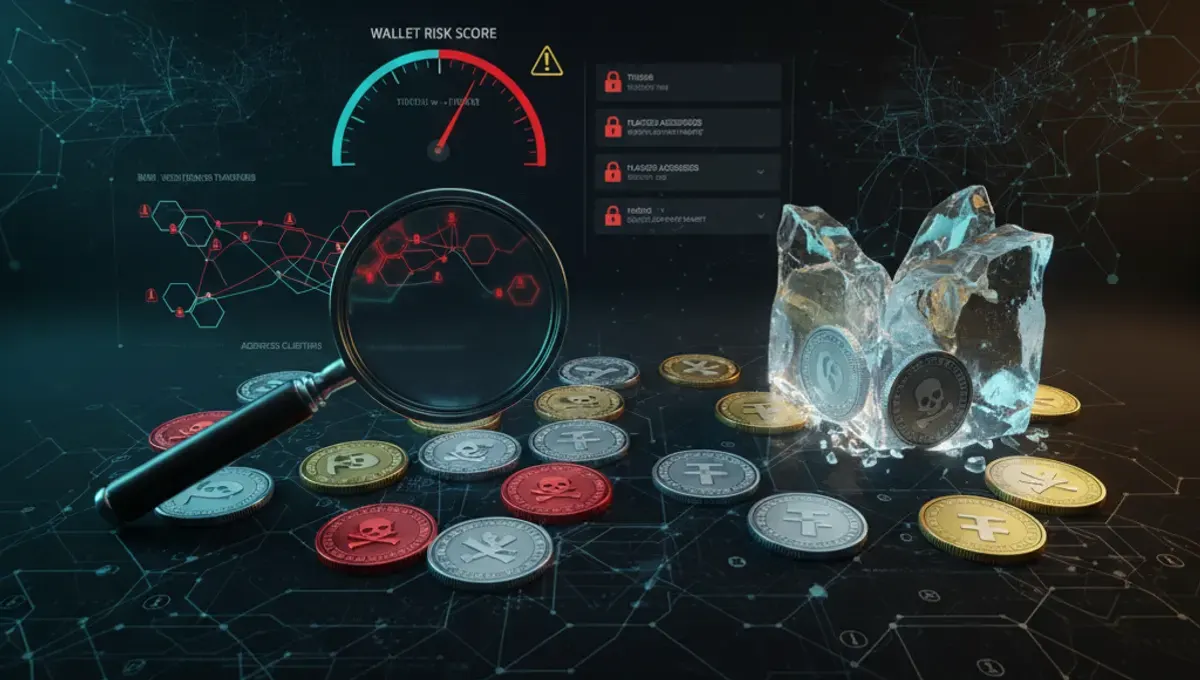
KYT crypto meaning refers to the automated screening of blockchain transactions and wallet addresses to identify suspicious activity. It examines transaction patterns, fund sources, and destination addresses against known risk indicators. KYT blockchain systems flag addresses linked to mixers, darknet markets, scams, ransomware, and sanctioned entities. The process is continuous: every time funds move on-chain, KYT tools re-evaluate the transaction history. This differs from a one-time identity check. KYT meaning crypto also includes monitoring for stolen funds and frozen USDT on major exchanges. Compliance teams at banks and crypto exchanges use KYT to meet regulatory requirements and prevent money laundering. For individual users, running an AML check crypto on incoming addresses before accepting payment protects you from receiving tainted coins that exchanges may later reject or freeze.
How Does KYT Blockchain Screening Work?
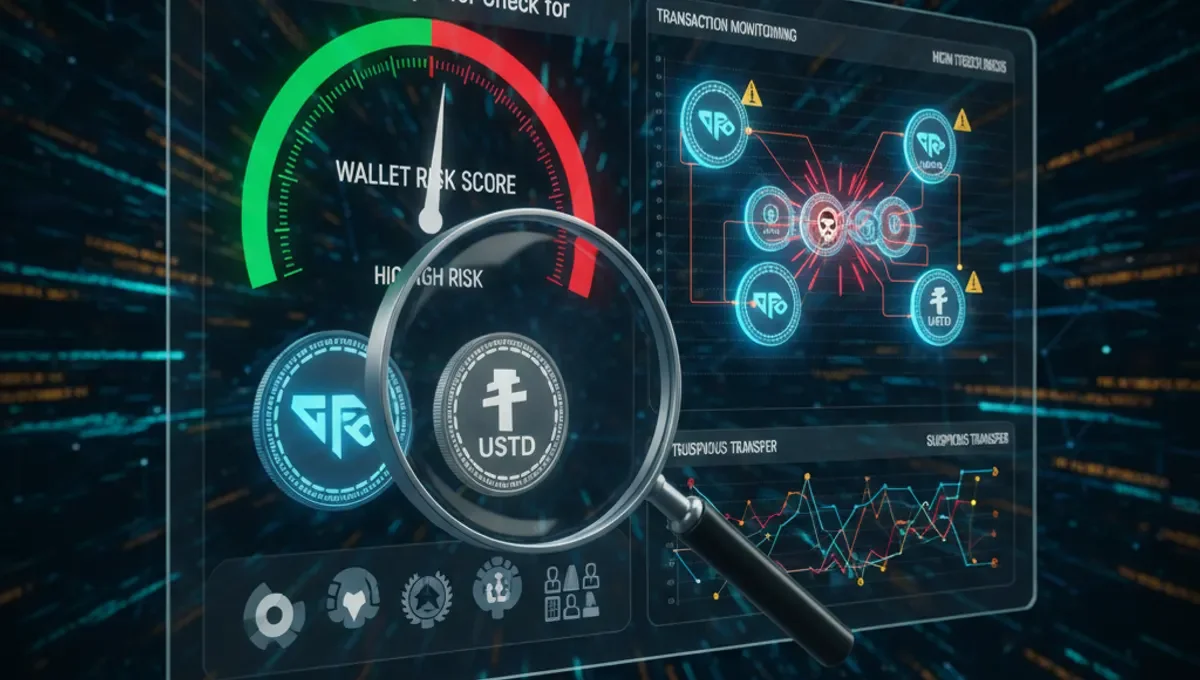
KYT blockchain screening operates by analyzing on-chain data and comparing it against multiple risk databases. When you submit a wallet address, the system traces its transaction history backward and forward, identifying patterns and connections. The screening checks for: direct links to known darknet markets, mixer services that obscure fund origins, addresses flagged in sanctions lists, wallets involved in scams or theft, and gambling platforms. Each connection receives a risk score. The AML check crypto process assigns a numerical rating—typically 0–100 or low/medium/high—based on the number and severity of risk factors. An address that received funds directly from a mixer gets a higher score than one with clean transaction history. KYT tools also flag addresses that have sent funds to multiple high-risk destinations, indicating possible layering or structuring. The entire analysis happens in seconds, making it practical for real-time wallet verification before accepting payments.
What Are AML Risk Score Levels and What Do They Mean?
An AML risk score is a numerical or categorical rating that indicates the likelihood a wallet or transaction is connected to illicit activity. Risk scores typically fall into ranges: low (0–20), medium (21–60), and high (61–100), though some services use five-tier systems. A low AML crypto check score means the address has clean transaction history with no known darknet, mixer, or sanctions exposure. Medium scores indicate some risk factors—perhaps a transaction routed through a mixer years ago, or a connection to a gambling platform—but not direct criminal links. High scores signal direct exposure: recent mixer activity, darknet market connections, stolen funds, or sanctioned entity involvement. Exchanges often freeze accounts or reject deposits with scores above 70. For receiving payments, most businesses accept addresses scoring below 30. The threshold depends on your risk tolerance and regulatory requirements. Running an aml check crypto before accepting large transfers helps you avoid frozen USDT and account bans. Our curated list of verified AML services on this site provides transparent scoring methodologies so you can compare thresholds across tools.
How to Check a Wallet Address for AML Risk Before Receiving Crypto
Checking a wallet address for AML risk takes three steps. First, copy the wallet address you plan to receive funds from—it can be a TRX, USDT, BTC, or ETH address. Second, visit a trusted AML check service (our site lists verified providers with transparent scoring). Third, paste the address and run the scan. The tool returns a risk score, a breakdown of flagged activities, and any darknet or sanctions exposure. Most services complete the analysis in under 30 seconds. For USDT and TRX addresses specifically, ensure the service supports the blockchain you're using—Tron (TRC20) for TRX and USDT on Tron, Ethereum for USDT on Ethereum. Before accepting payment, review the risk report. If the score is low (under 30), the address is generally safe. If medium (30–60), investigate the specific flags—a single old mixer transaction may be acceptable, but recent darknet links are not. If high (above 60), decline the payment or request an alternative address. This simple check prevents receiving tainted coins that exchanges will later freeze or reject.
What Happens If You Receive Tainted or Flagged Crypto?
Receiving tainted coins—funds with darknet, theft, or sanctions exposure—creates several problems. If you deposit flagged USDT or BTC into an exchange, the platform may freeze your account pending investigation, blocking your ability to withdraw or trade. Exchanges use KYT screening on deposits and flag high-risk transactions automatically. In some cases, your funds may be permanently seized if they're linked to sanctions or stolen goods. You may also face legal questions if authorities trace the funds to criminal activity. Even if you received the coins unknowingly, you're responsible for compliance. If you've already received flagged crypto, contact the sender and request a replacement from a clean address. Do not deposit it into regulated exchanges. Some services allow you to trace the funds further back to understand the source. If the coins are linked to theft or ransomware, reporting the address to law enforcement may help, though recovery is unlikely. Prevention is far simpler: always run an AML check crypto on incoming addresses before accepting payment. This one-minute step saves you from frozen accounts and legal complications.
KYT vs. KYC: Key Differences in Crypto Compliance
KYT and KYC are complementary but distinct compliance tools. KYC (Know Your Customer) verifies the identity of the person or entity opening an account—name, address, ID verification. It's a one-time check, typically required by exchanges and banks. KYT (Know Your Transaction) screens the funds themselves, regardless of who holds them. It's ongoing and focuses on transaction history, not identity. In practice, exchanges use both: KYC to verify you when you sign up, KYT to screen deposits and withdrawals for illicit activity. For individuals receiving crypto payments, KYC doesn't apply—you don't need to verify the sender's identity. But KYT does: you should screen the address and transaction history to ensure the funds aren't tainted. KYT is also faster and more practical for peer-to-peer transactions, where identity verification isn't feasible. Understanding the difference helps you know what protections apply. KYT screening is your responsibility as a receiver; running an AML check crypto before accepting payment is the equivalent of KYT for individuals.
Where to Run a Trusted AML Check Crypto Service
Running an AML check crypto requires using a service that has access to current risk databases, sanctions lists, and darknet market data. Not all services are equally reliable. Our site curates a list of verified AML check providers that offer transparent scoring, real-time updates, and support for TRX, USDT, BTC, and ETH addresses. When choosing a service, look for: clear methodology (how they assign risk scores), coverage of multiple blockchains, regular database updates, and user reviews. Free services often have limits—they may check only one address per day or provide basic scoring without detailed reports. Paid services offer unlimited checks, detailed breakdowns, and API access for businesses. For a single wallet check before receiving payment, free options are sufficient. For regular compliance work, a paid service is more practical. Start by checking the verified services on our AML Services page to compare features and pricing. This ensures you're using a tool with current data and reliable scoring, rather than an outdated or inaccurate service. A few minutes comparing options saves you from frozen accounts later.
Frequently asked questions
What does KYT stand for in crypto?
KYT stands for Know Your Transaction. It's a compliance process that screens blockchain addresses and transactions for illicit activity, including darknet exposure, mixer usage, theft, and sanctions links. Unlike KYC (Know Your Customer), which verifies identity, KYT focuses on the history and movement of funds themselves.
Is KYT the same as AML in crypto?
KYT and AML are related but not identical. AML (Anti-Money Laundering) is the broader compliance framework. KYT is a specific tool within AML that screens transactions. An AML check crypto uses KYT technology to detect tainted coins and flag high-risk addresses. All KYT is AML, but not all AML involves KYT.
What happens if I receive crypto from a high-risk KYT address?
If you deposit high-risk crypto into an exchange, the platform may freeze your account pending investigation. Exchanges use KYT screening on deposits and reject or hold flagged funds. You may lose access to your account temporarily or permanently. Always run an AML check crypto on incoming addresses before accepting payment to avoid this.
Can I check a wallet address for free with KYT screening?
Yes, many AML check services offer free wallet screening, though they may limit the number of checks per day or provide basic scoring without detailed reports. Paid services offer unlimited checks and deeper analysis. For a single address check before receiving payment, free options are usually sufficient. Compare verified services on our AML Services page.
What risk score should I accept when receiving crypto?
Most businesses accept addresses with AML risk scores below 30 (low risk). Scores between 30–60 (medium) require investigation of specific flags. Scores above 60 (high) indicate direct darknet, mixer, or sanctions exposure and should be declined. Your threshold depends on regulatory requirements and risk tolerance. Always review the detailed report, not just the number.