What Is an AML Locator and Why It Matters
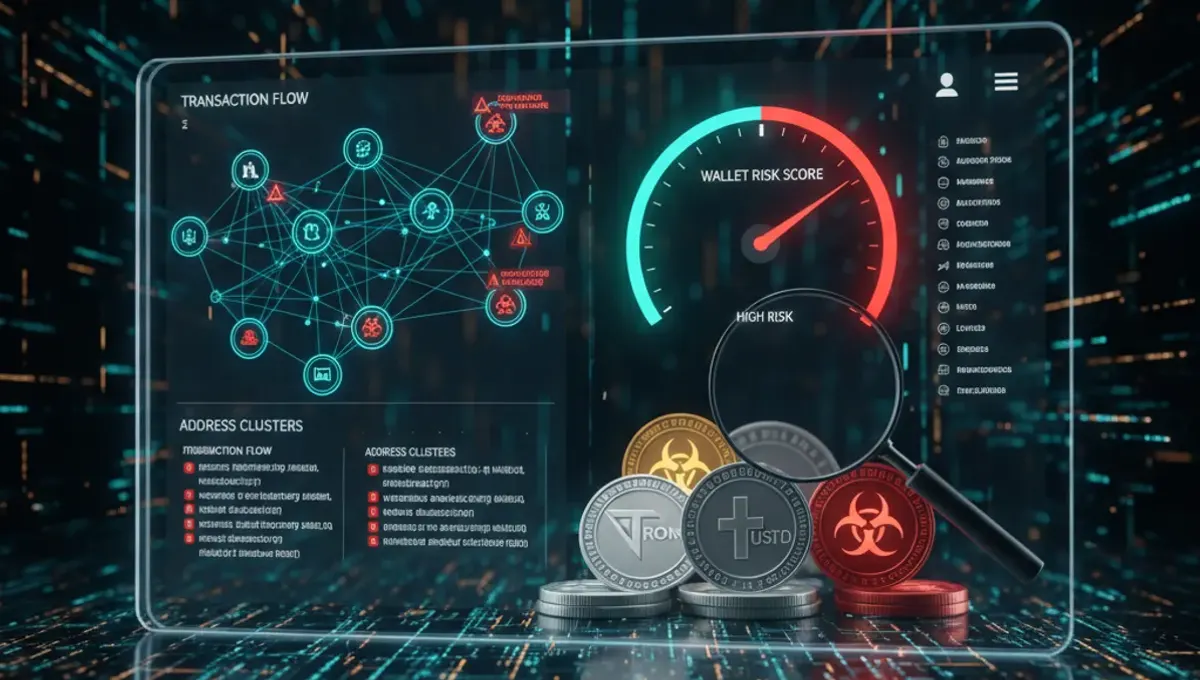
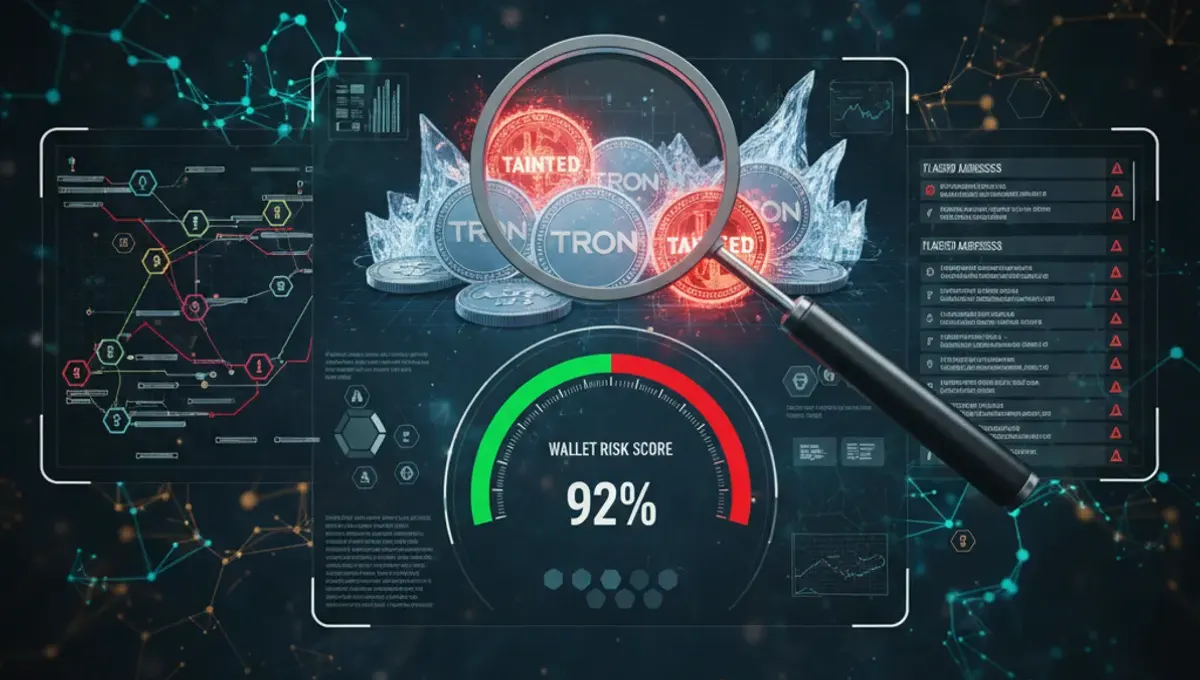
An AML locator is a service that scans blockchain addresses against known risk indicators: darknet market wallets, stolen funds, sanctioned entities, mixer outputs, and gambling platforms. It assigns a risk score to each address, helping you decide whether to proceed with a transaction. Exchanges and compliance teams use AML locators to prevent frozen USDT accounts and regulatory violations. For individual users, an AML locator answers a critical question before you receive crypto: is this wallet clean or tainted. The AML check process typically takes seconds to minutes, and results are delivered as a risk score with a breakdown of detected issues.
Key Features to Compare in an AML Locator
When reviewing AML locator services, evaluate these factors:
- Blockchain coverage: Does it support TRX (Tron), USDT, BTC, ETH, and other chains you use?
- Risk scoring methodology: How does it classify addresses—by transaction history, linked entities, or both?
- AML check fee and pricing model: Is it per-check, subscription, or free with limits?
- Speed: Can it return results in real time or does it queue requests?
- Darknet and sanctions detection: Does it flag mixer outputs, sanctioned addresses, and known darknet wallets?
- API availability: Can you integrate it into your workflow, or is it web-only?
- Transparency: Does the service explain which risk categories triggered a flag?
A strong AML locator will combine multiple data sources and update its risk lists regularly. Check the AML Services page on this site for a curated list of verified tools that meet these standards.
Understanding AML Check Fees and Pricing
AML check fee structures vary widely. Some services charge per lookup, others offer monthly subscriptions, and a few provide limited free checks. A typical AML fee ranges from a few cents per check to several dollars for enterprise-grade screening. Free tiers usually allow 1–5 checks per month or per day, which suits occasional users. If you receive crypto regularly or run a business, a subscription model often costs less than pay-per-check. Before committing, test the service with a known address to confirm the AML check fee aligns with your volume and budget. Many services offer tiered pricing: basic (limited checks, no API), professional (higher volume, API access), and enterprise (custom limits, dedicated support). Evaluate whether the AML check fee justifies the accuracy and speed you need.
How the AML Check Process Works
The AML check process follows these steps:
- Enter the address: Paste the wallet address into the AML locator interface.
- Blockchain analysis: The tool scans the address against its database of known risk entities and transaction patterns.
- Risk scoring: The system assigns a score (often 0–100 or low/medium/high) based on detected exposure.
- Report generation: You receive a detailed report listing any flags: darknet links, stolen funds, sanctions matches, mixer usage, or gambling activity.
- Action decision: Use the risk score to decide whether to accept the transaction.
The entire AML check process typically completes in seconds. Some services also show transaction history, linked addresses, and entity names. Understanding this workflow helps you interpret results correctly and avoid false positives. AML check requirements vary by jurisdiction and institution, but the core principle is the same: verify address risk before moving funds.
Risk Score Levels and What They Mean
Most AML locators assign risk scores in one of two formats: numerical (0–100) or categorical (low, medium, high, critical). Here's how to interpret them:
Low risk (0–25 or green): Address shows minimal exposure to known risk sources. Safe to receive funds.
Medium risk (26–50 or yellow): Address has some exposure—perhaps a transaction with a mixer or a linked entity with minor flags. Investigate further before accepting large amounts.
High risk (51–75 or orange): Address shows significant exposure to darknet activity, stolen funds, or sanctions lists. Avoid unless you have strong reason to trust the sender.
Critical risk (76–100 or red): Address is directly linked to known illegal activity, sanctioned entities, or major theft. Do not accept funds; report to your exchange if applicable.
Thresholds vary by service and use case. Exchanges often reject addresses scoring above 50; individuals may set their own limits. A single flag doesn't always mean reject—context matters. An address that used a mixer once may still be legitimate, while one with multiple darknet links is a clear warning.
Comparing AML Locator Services: What to Look For
When comparing AML locator tools, test each with sample addresses and note the differences:
- Detection accuracy: Do results align across services, or do they disagree on risk levels?
- Data freshness: How often does the service update its risk lists? Daily, weekly, or monthly?
- User experience: Is the interface intuitive, or does it require technical knowledge?
- Customer support: Can you contact the provider if you have questions about a result?
- Privacy: Does the service log your queries, or does it delete them after processing?
- Compliance standards: Is the tool used by regulated exchanges or institutions?
Our AML Services page curates verified providers that meet these criteria. Rather than testing multiple tools independently, start with the trusted services listed there—they've been vetted for accuracy, speed, and compliance standards. This saves time and reduces the risk of relying on an unreliable AML locator.
How to Check a Wallet Before Receiving USDT or TRX
Before accepting crypto, follow this workflow:
- Get the sender's address: Ask the sender for their wallet address in writing.
- Run an AML check: Paste the address into your chosen AML locator.
- Review the risk score: If it's low or green, proceed. If it's medium or higher, ask the sender for context or decline.
- Check for specific flags: Look for darknet exposure, sanctions matches, or stolen fund warnings. A mixer flag alone may be acceptable; a sanctions flag is not.
- Verify the sender independently: If possible, confirm the sender's identity through a separate channel.
- Document the check: Keep a record of the AML check result for your compliance records.
- Set your threshold: Decide in advance what risk level you'll accept (e.g., low only, or low/medium for trusted contacts).
This AML check process takes 2–3 minutes and can prevent you from receiving tainted coins that exchanges later freeze or flag. Use the verified services on our AML Services page to ensure consistent, reliable results.
Frequently asked questions
What's the difference between an AML locator and a KYT tool?
An AML locator focuses on identifying high-risk addresses and tainted coins through blockchain analysis. KYT (Know Your Transaction) is broader—it monitors ongoing transaction patterns and flags suspicious activity in real time. Both serve compliance, but AML locators are better for one-time address checks, while KYT is for continuous monitoring.
How much does an AML check typically cost?
AML check fees range from free (limited checks) to a few dollars per lookup. Subscription models cost $10–100+ per month depending on volume and features. Enterprise services charge custom rates. Compare the AML fee against your transaction volume to find the best value.
Can an AML locator detect all tainted coins?
No. AML locators detect addresses linked to known risk sources—darknet markets, stolen funds, sanctions lists, mixers. They cannot identify every tainted coin, especially if funds have been mixed or laundered through legitimate exchanges. Use an AML locator as one layer of due diligence, not as a guarantee.
What should I do if a wallet I want to receive from has a medium risk score?
Ask the sender why the address has that score. A medium flag might indicate past mixer use or a linked entity with minor issues. If the sender has a legitimate explanation and you trust them, you can accept the transfer. Document the decision for compliance records.
Do exchanges use AML locators to freeze USDT accounts?
Yes. Exchanges run AML checks on deposits and withdrawals. If they detect high-risk addresses or tainted coins, they may freeze your account pending investigation. Using an AML locator before sending funds to an exchange reduces this risk.