What Happens During an AML Check Process
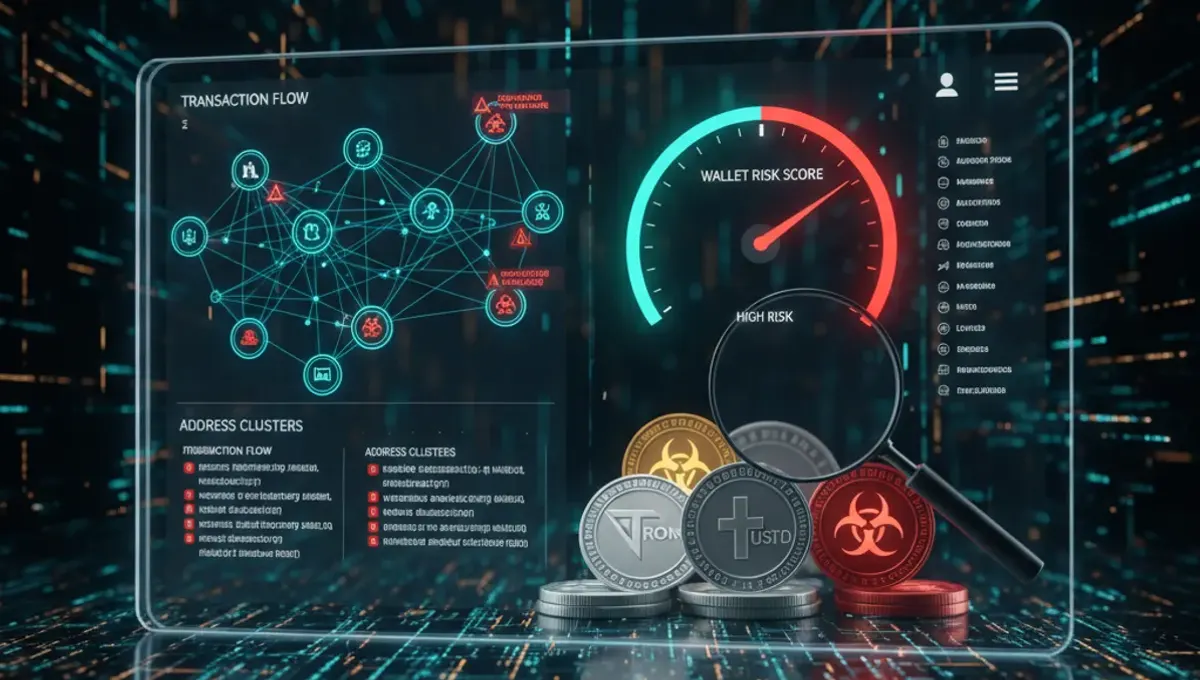
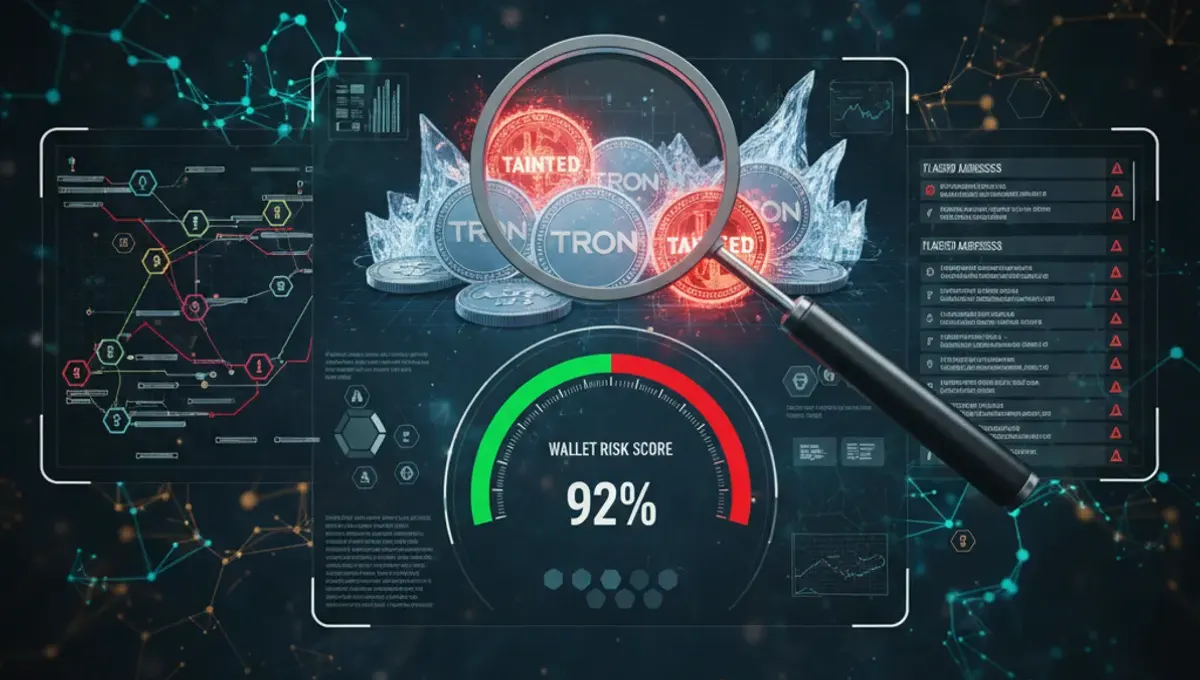
An AML check process examines a wallet address across the blockchain to identify its risk profile. The analysis traces inbound and outbound transactions, maps wallet clusters (related addresses controlled by the same entity), and flags activity linked to high-risk categories: darknet markets, mixing services, theft proceeds, sanctions-listed entities, and gambling platforms.
The process typically starts with address clustering—linking addresses that share common spending patterns or control flows. Next, transaction monitoring identifies suspicious activity: rapid fund movement, layering through multiple wallets, or deposits from known illicit sources. Finally, the system cross-references findings against public sanctions lists, law enforcement databases, and blockchain intelligence feeds to assign a risk score.
This multi-layer approach means a single transaction can trigger deeper investigation. For example, receiving USDT from an address with prior mixer exposure may flag your wallet even if you had no direct involvement. The AML check process is designed to catch these indirect risks before they reach exchanges or payment processors.
How Risk Scores Are Calculated in the AML Check Process
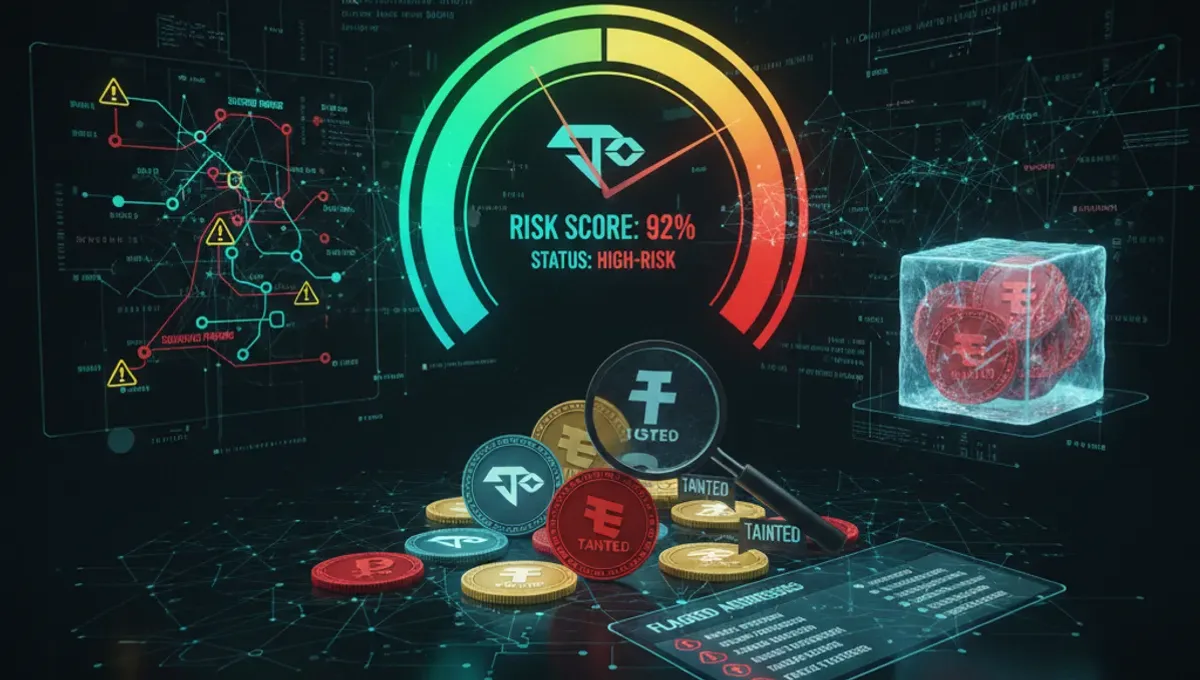
Risk scores quantify the likelihood that a wallet or transaction involves illicit activity. The scoring model weighs multiple factors: transaction volume, velocity (speed of fund movement), source reputation, destination patterns, and historical behavior.
Typical scoring ranges are: - Low risk (0–20): Clean transaction history, no darknet or mixer exposure, legitimate exchange deposits. - Medium risk (21–50): Some exposure to high-risk addresses but no direct theft or sanctions links; common in active traders. - High risk (51–100): Direct or recent contact with darknet markets, mixers, stolen funds, or sanctioned entities.
The AML check process recalculates scores as new transactions occur. A wallet receiving funds from a mixer today may shift from low to medium risk immediately. Conversely, clean activity over time can lower scores slightly, though historical exposure never fully disappears from the blockchain record.
Exchanges and payment processors typically reject deposits from addresses scoring above 50–70, depending on their compliance policy. Understanding your wallet's risk score helps you anticipate whether funds will be accepted or frozen.
Step-by-Step: How to Check a Crypto Wallet Using the AML Check Process
Follow these steps to screen a wallet address before receiving or sending funds:
1. Gather the wallet address: Copy the full address (TRX, USDT, BTC, or ETH) you want to check. Ensure it matches exactly—a single character error will return a different wallet.
2. Access a blockchain AML screening tool: Use a verified AML service from our curated list of trusted providers. These tools integrate blockchain data, sanctions databases, and transaction intelligence.
3. Enter the address and initiate the scan: Paste the address into the tool and run the analysis. The system will trace the wallet's transaction history and cluster analysis.
4. Review the risk score and report: The AML check process generates a detailed report showing the risk score, transaction patterns, and flagged exposures (darknet, mixers, theft, sanctions).
5. Examine the transaction history: Look at inbound sources and outbound destinations. Identify any direct contact with high-risk categories.
6. Make a decision: If the score is low and sources are clean, proceed. If medium or high, assess whether the risk is acceptable for your use case, or decline the transaction.
7. Document the check: Keep records of the AML check for compliance purposes, especially if you later face regulatory inquiries.
AML Check Requirements for Different Crypto Assets
The AML check process applies to all major blockchains, but requirements and detection methods vary by asset type.
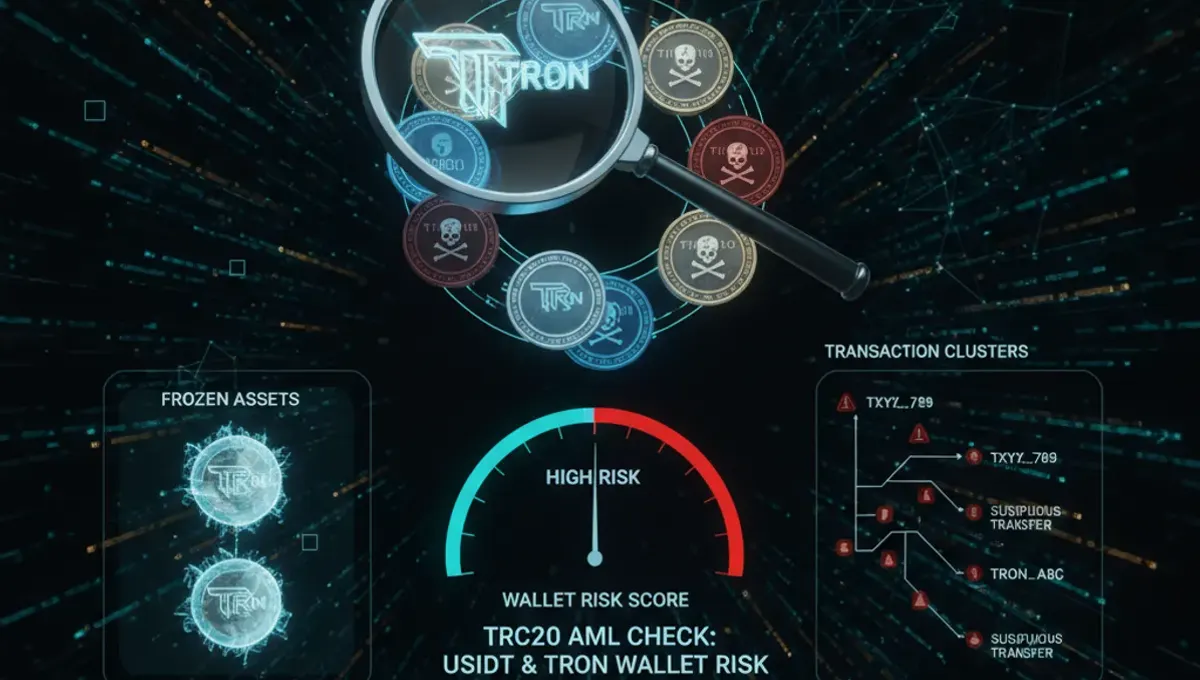
TRX (Tron) addresses: Tron's high transaction volume and lower fees make it attractive for both legitimate users and illicit actors. An AML check for Tron addresses traces TRC20 token transfers (including USDT on Tron) and identifies mixing activity. Tron's transparent ledger makes historical analysis straightforward.
USDT (Tether): USDT exists on multiple blockchains (Ethereum, Tron, Polygon, etc.). An AML check for USDT must account for the blockchain it runs on. USDT on Tron is particularly common in high-volume transfers. Tether has frozen USDT balances linked to sanctions or theft, so checking USDT wallet history is critical before accepting large transfers.
BTC (Bitcoin): Bitcoin's pseudonymous nature requires more sophisticated clustering and heuristics. The AML check process for Bitcoin relies on exchange deposit patterns, known address labels, and transaction graph analysis to infer wallet ownership.
ETH (Ethereum): Ethereum's smart contract ecosystem allows for more complex transaction patterns. AML checks must account for DeFi interactions, token swaps, and contract interactions that may obscure direct fund flows.
The AML check fee and requirements vary by service; some offer free basic checks with limited detail, while others charge per report or require subscription for comprehensive analysis.
What Tainted Coins and Darknet Exposure Mean in the AML Check Process
Tainted coins are cryptocurrency funds with a documented history of illicit activity. The AML check process identifies tainted coins by tracing them back to their source: theft, ransomware, darknet market proceeds, or sanctions-listed entities.
Darknet exposure occurs when a wallet has received funds from or sent funds to addresses associated with darknet markets (Tor-based marketplaces selling illegal goods). The AML check process flags this exposure even if the recipient wallet itself is used legitimately. For example, you might receive USDT from someone who purchased it on a darknet market; your wallet is now tainted by association.
Mixer exposure indicates that funds passed through a mixing service (a tool designed to obscure transaction trails). Mixers are commonly used to launder illicit funds, so any contact with a mixer raises red flags in the AML check process.
Why this matters: Exchanges and payment processors will freeze or reject deposits from wallets with tainted coin or darknet exposure. Regulators may also scrutinize your account. The AML check process helps you identify these risks before they cause account freezes or compliance issues. If you receive tainted coins, you cannot simply wait for them to "age"—the blockchain record is permanent, and the risk score reflects historical exposure.
What to Do If Your Wallet Fails an AML Check
If your wallet receives a high risk score or is flagged for tainted coins, take these steps:
1. Review the detailed report: Understand which specific transactions or exposures triggered the flag. Was it a single deposit from a mixer, or repeated contact with high-risk addresses.
2. Trace the source: If you received funds from another wallet, contact the sender and ask about the source of their funds. Legitimate senders can often explain clean origins.
3. Separate the funds: If possible, move clean funds to a new wallet that has no history of high-risk contact. This is not a guarantee of acceptance, but it may help with future deposits.
4. Document your due diligence: Keep records showing you performed an AML check and took corrective action. This demonstrates compliance effort if regulators inquire.
5. Contact the exchange or processor: If your account was frozen, reach out to their compliance team with your AML check report and explanation. Some will unfreeze accounts after reviewing evidence of legitimate activity.
6. Avoid mixing or layering: Do not attempt to obscure the funds further by sending them through mixers or multiple wallets. This will worsen the AML check process score and may trigger legal scrutiny.
7. Consider professional advice: If the amount is significant, consult a compliance or legal expert familiar with cryptocurrency regulations in your jurisdiction.
Choosing a Service for Your AML Check Process
Not all AML check tools are equally reliable. When selecting a service, consider these factors:
Data sources: Verify that the service integrates real-time blockchain data, sanctions lists (OFAC, UN, EU), and transaction intelligence from multiple providers. Services relying on outdated or incomplete data will miss exposures.
Coverage: Ensure the tool covers all blockchains you care about (Tron, Ethereum, Bitcoin, etc.) and all token types (USDT, BTC, TRX, ETH).
Transparency: The service should clearly explain how it calculates risk scores and what data it uses. Avoid services that provide scores without justification.
Update frequency: Blockchain data changes constantly. The AML check process should reflect recent transactions, not week-old snapshots.
Cost: Some services offer free basic checks; others charge per report or require subscription. Evaluate whether the AML check fee aligns with your use case. Free checks often have limited detail or slow processing.
Compliance track record: Check whether the service is used by exchanges, financial institutions, or regulators. Established providers are more likely to be accurate and legally defensible.
Our curated list of verified AML services includes providers that meet these standards. Starting with a trusted service from that list is the safest way to ensure your AML check process is reliable and compliant.
Frequently asked questions
How long does an AML check process take?
Most AML checks complete in seconds to a few minutes, depending on the service and wallet complexity. Real-time blockchain queries are fast, but detailed analysis of large transaction histories may take longer. Some services offer instant basic checks and detailed reports within hours.
Can I dispute a high risk score from an AML check process?
You can request a review from the service or the exchange that rejected your deposit, but the blockchain record cannot be altered. If the high score is due to a single historical transaction, you can explain the context. However, past exposure to darknet or mixer activity will likely remain flagged.
Does an AML check process cost money?
Some services offer free basic checks with limited detail. Comprehensive reports typically cost per check or require a subscription. AML check fees vary widely depending on the provider and depth of analysis. Compare services on our verified list to find options that fit your budget.
What is the difference between an AML check and KYC?
AML checks screen wallet addresses and transaction history for illicit activity. KYC (Know Your Customer) verifies the identity of the person behind the wallet. Both are used by exchanges, but AML checks focus on funds, while KYC focuses on identity.
Will my wallet's risk score improve over time?
Blockchain records are permanent, so historical exposure to darknet or mixers will not disappear. However, clean activity going forward may slightly lower your risk score. A new wallet with no history will have a lower baseline risk than one with past exposures, even if recent activity is clean.