What Is KYT Crypto and Why Does It Matter
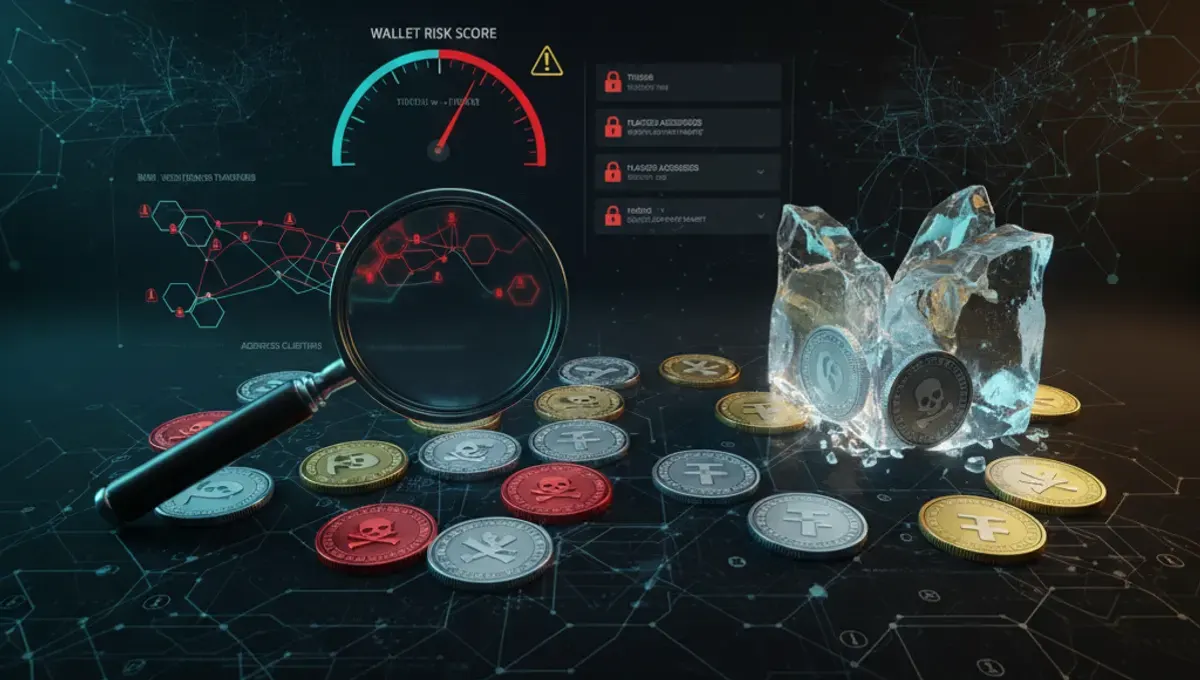
KYT crypto meaning refers to the continuous monitoring of blockchain transactions to assess risk and compliance. Unlike a one-time identity check, KYT blockchain systems track fund movement, mixing activity, and association with high-risk sources. When you receive cryptocurrency, exchanges and custodians run the sender's address through KYT tools to calculate an AML risk score. If the score exceeds acceptable thresholds, the transaction may be blocked, the account frozen, or the USDT flagged as tainted. This matters because receiving coins linked to theft, ransomware, or darknet markets can result in your own wallet being blacklisted, even if you were unaware of the source. KYT blockchain monitoring protects both compliance officers and everyday users by making transaction history transparent and verifiable on-chain.
How KYT Blockchain Transaction Monitoring Works
Blockchain transaction monitoring operates by analyzing on-chain data: wallet addresses, transaction amounts, timestamps, and fund flow patterns. KYT systems maintain databases of known risk categories: stolen funds, mixer outputs, darknet market addresses, sanctioned entities, and gambling platforms. When a transaction occurs, the system traces the sender's address backward through the blockchain, identifying all prior transactions and associated wallets. If any address in the chain matches a risk database, the transaction receives a higher AML risk score. The monitoring is continuous; a wallet flagged as clean today may be downgraded tomorrow if new activity links it to a sanctioned entity or theft. This real-time assessment is why exchanges require KYT checks before crediting deposits and why receiving tainted coins can cause account freezes weeks or months after the transaction.
KYT Crypto Meaning: Risk Scoring and AML Categories
KYT crypto systems assign risk scores based on transaction history and source classification. Risk categories include: mixers (services that obscure coin origin), darknet market exposure (addresses associated with illegal marketplaces), stolen funds (coins traced to theft or hacking), ransomware proceeds, sanctioned entities (individuals or organizations under government restrictions), and gambling platforms. Each category carries different weight; coins from a mixer may score lower risk than coins from a known ransomware wallet. Acceptable risk thresholds vary by exchange and jurisdiction, but most custodians flag scores above 50–70 as requiring review or rejection. A wallet with multiple transactions to mixers or darknet addresses will accumulate higher risk scores over time. Understanding these categories helps you avoid receiving problematic coins and recognize why a transaction might be declined or your account frozen.
How to Check a Crypto Address Before Receiving Funds
Before accepting USDT, BTC, TRX, or ETH from a counterparty, verify the sender's address using a KYT blockchain check. Steps:
- Request the sender's wallet address.
- Visit a verified AML service from our curated list on the AML Services page—these tools provide transparent risk scoring and tainted coin detection.
- Enter the address and review the AML risk score, transaction history, and any flagged associations.
- Check for mixer activity, darknet exposure, or sanctioned entity links.
- If the score is below your exchange's acceptable threshold (typically under 50), proceed; if higher, ask the sender for clarification or decline.
- For large transactions, cross-check the address on multiple services to confirm consistency. This pre-transaction screening prevents you from receiving frozen USDT or coins that will trigger exchange account bans. Many users skip this step and face account freezes weeks later when the exchange's own KYT monitoring flags the deposit.
What Happens When Tainted Coins Are Detected
When a blockchain transaction monitoring system flags coins as tainted, several outcomes are possible. Exchanges may reject the deposit outright, preventing the coins from entering your account. If tainted coins are already in your wallet, the exchange may freeze your account pending investigation, restricting withdrawals and trading. In severe cases—such as coins linked to ransomware or sanctioned entities—your account may be permanently closed and funds seized. Regulatory authorities may contact you if the coins are tied to criminal activity. The key point: tainted coins cannot be "cleaned" by mixing them further; blockchain analysis tools track mixed outputs and flag them as suspicious. If you receive flagged coins, your options are limited. Contact the exchange's compliance team to explain the source, provide documentation if available, or accept that the coins may be unrecoverable. This is why pre-transaction KYT blockchain checks are far more effective than remediation after the fact.
KYT Blockchain vs. Other Compliance Tools
KYT blockchain monitoring differs from related compliance approaches. KYC (Know Your Customer) verifies identity but does not monitor ongoing transactions. Sanctions screening checks addresses against government blacklists but does not analyze transaction history. Wallet screening combines identity verification with transaction review. KYT is unique because it operates purely on-chain, requiring no personal data from users, and continuously updates as new transactions occur. A wallet may pass KYC and sanctions screening but fail KYT if recent transactions link it to mixers or darknet markets. Conversely, a wallet with high KYT risk may belong to a legitimate user whose coins were unknowingly tainted. For comprehensive compliance, most exchanges use all three: KYC at account opening, sanctions screening for regulatory lists, and KYT for ongoing transaction monitoring. Understanding these distinctions helps you recognize why an address might be flagged by one system but not another.
Best Practices for Avoiding Tainted Coins and Frozen Accounts
Protect yourself from tainted coins and account freezes by following these practices:
- Always verify the sender's address using KYT blockchain monitoring before accepting large transfers.
- Use exchanges and custodians that employ robust transaction monitoring; check their compliance policies.
- Avoid receiving coins from unknown sources, especially if offered at discounts or through informal channels.
- Do not use mixers or tumblers; they increase your AML risk score and may trigger account freezes.
- Keep transaction records and documentation of legitimate sources for all incoming funds.
- If you receive flagged coins, contact your exchange immediately rather than attempting to move them.
- For high-value transactions, use verified AML services from our curated list to screen addresses in advance.
- Educate counterparties about KYT blockchain monitoring so they understand why you require pre-transaction verification. These steps significantly reduce the risk of receiving frozen USDT, having your account banned, or facing regulatory scrutiny.
Frequently asked questions
What does KYT mean in crypto
KYT stands for Know Your Transaction. It is a blockchain monitoring system that analyzes transaction history and fund sources to assess AML risk and detect tainted coins. Unlike KYC, which verifies identity, KYT operates on-chain to flag suspicious activity, mixer usage, darknet exposure, and stolen funds in real time.
How does KYT blockchain monitoring detect tainted coins
KYT systems trace wallet addresses backward through the blockchain, comparing transaction history against databases of known risk categories: mixers, darknet markets, stolen funds, ransomware, and sanctioned entities. If any address in the transaction chain matches a risk database, the coins receive a higher AML risk score and may be flagged as tainted.
Can I receive USDT if it has a high KYT risk score
Most exchanges reject or freeze deposits with high KYT risk scores (typically above 50–70). If tainted USDT enters your account, the exchange may freeze your account pending investigation or permanently close it. Pre-transaction KYT blockchain checks prevent this by allowing you to verify the sender's address before accepting the transfer.
What is the difference between KYT and KYC in crypto
KYC (Know Your Customer) verifies user identity at account opening. KYT (Know Your Transaction) monitors ongoing blockchain transactions for AML risk. KYC is a one-time check; KYT is continuous. Both are required by most exchanges for full compliance and account security.
How do I check if a crypto address has tainted coins
Use a verified AML service from our curated list on the AML Services page. Enter the wallet address and review the AML risk score, transaction history, and flagged associations. Scores below your exchange's threshold (typically under 50) are generally acceptable; higher scores indicate mixer activity, darknet exposure, or other compliance concerns.