What Are Crypto Transaction Monitoring Tools?
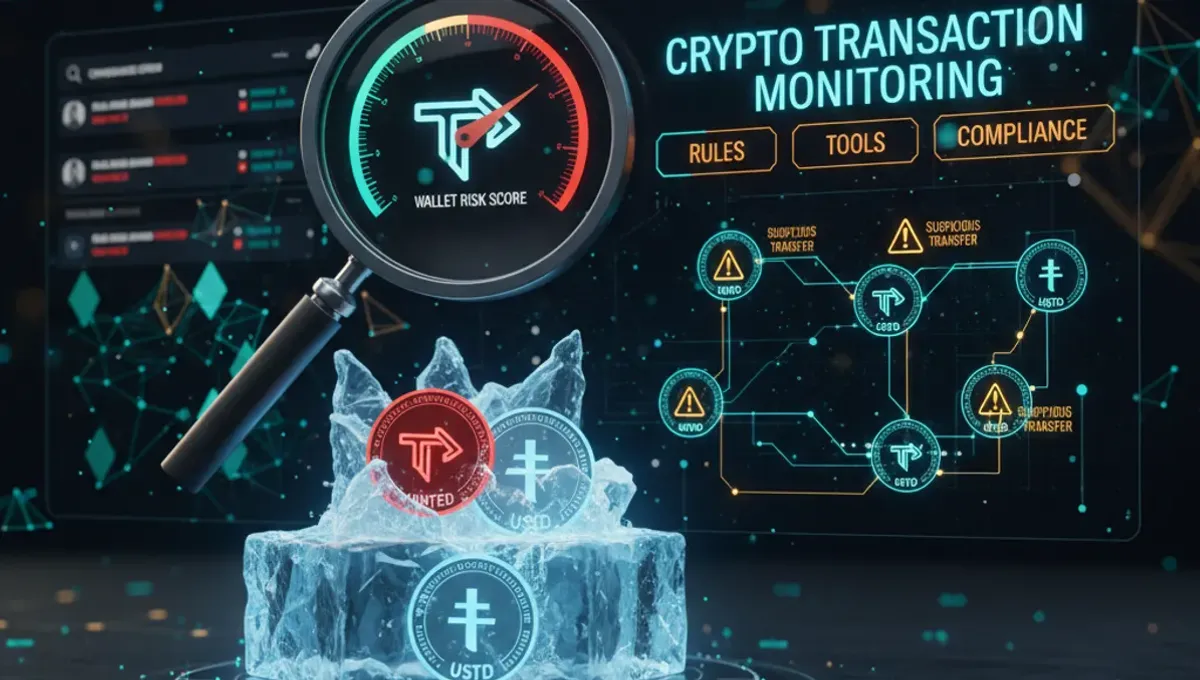
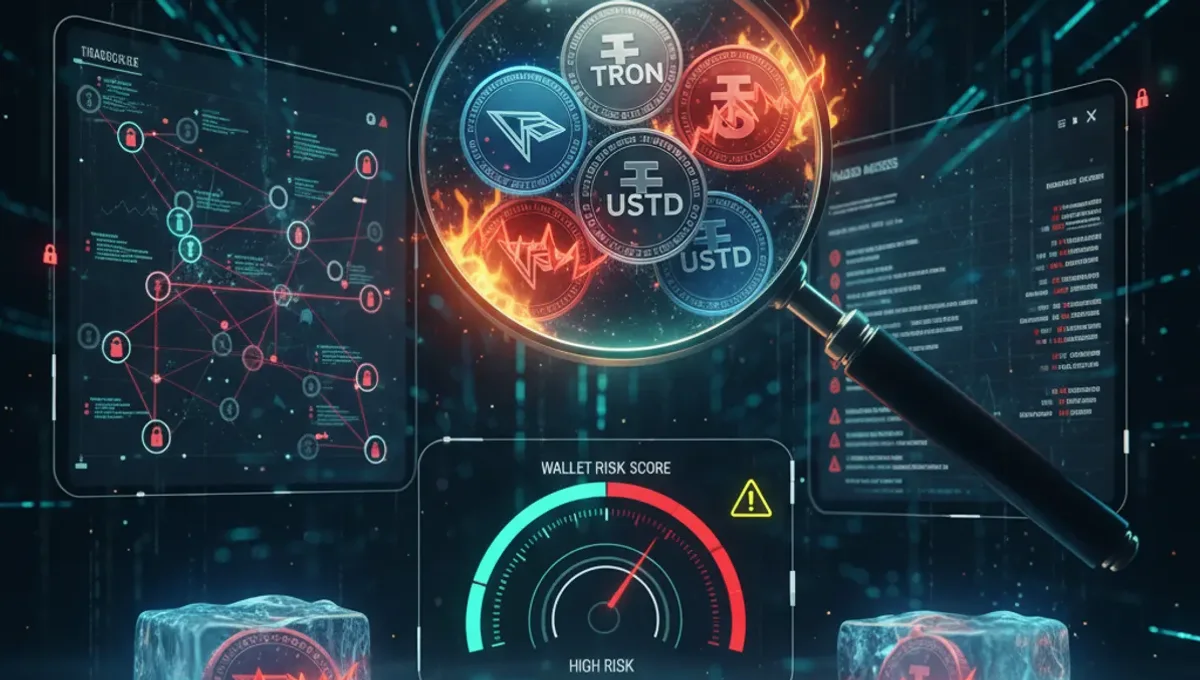
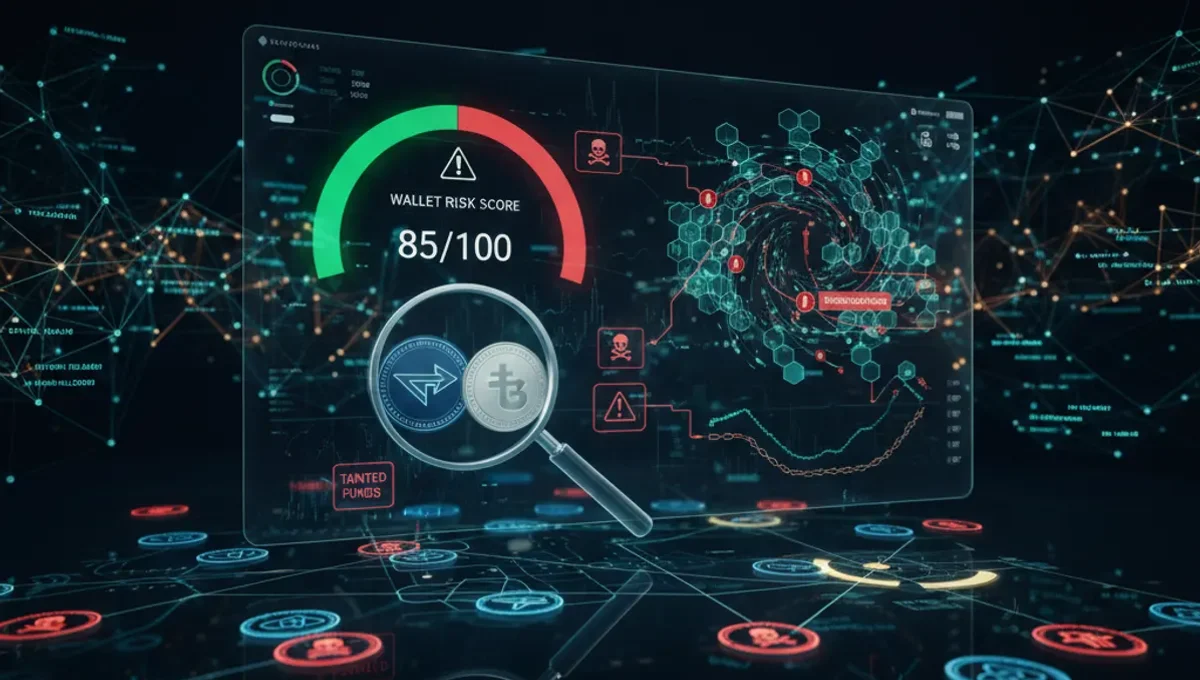
Crypto transaction monitoring tools are platforms that analyze blockchain transactions and wallet behavior to detect financial crime risk. They work by comparing wallet addresses against known risk databases—including sanctions lists, darknet market addresses, mixer services, and stolen fund registries—and assigning a risk score based on transaction history and associations.
These tools serve two main purposes: compliance (helping regulated entities meet AML/KYC requirements) and risk assessment (allowing users to check whether incoming funds are clean). A typical tool will scan a TRX, USDT, BTC, or ETH address and return a risk score, flagged transaction patterns, and exposure categories such as gambling, scams, or sanctioned entities.
Unlike simple wallet balance checkers, transaction monitoring tools provide behavioral analysis: they track fund flows over time, identify mixing activity, and correlate addresses to known illicit actors. This depth is why exchanges and custodians rely on them for compliance, and why individual users should check addresses before receiving large transfers.
How Do Cryptocurrency Transaction Monitoring Rules Work?
Cryptocurrency transaction monitoring rules are automated filters that flag transactions matching predefined risk criteria. These rules operate on several layers:
1. Sanctions screening: Compares wallet addresses against OFAC and international sanctions lists to block transactions involving sanctioned entities.
2. Darknet detection: Identifies addresses linked to known darknet markets, mixing services, or illegal marketplaces.
3. Stolen fund tracking: Flags addresses that received cryptocurrency from confirmed theft or fraud incidents.
4. Behavioral analysis: Detects patterns such as rapid fund splitting, round-trip transactions to mixers, or sudden large transfers to exchange deposit addresses.
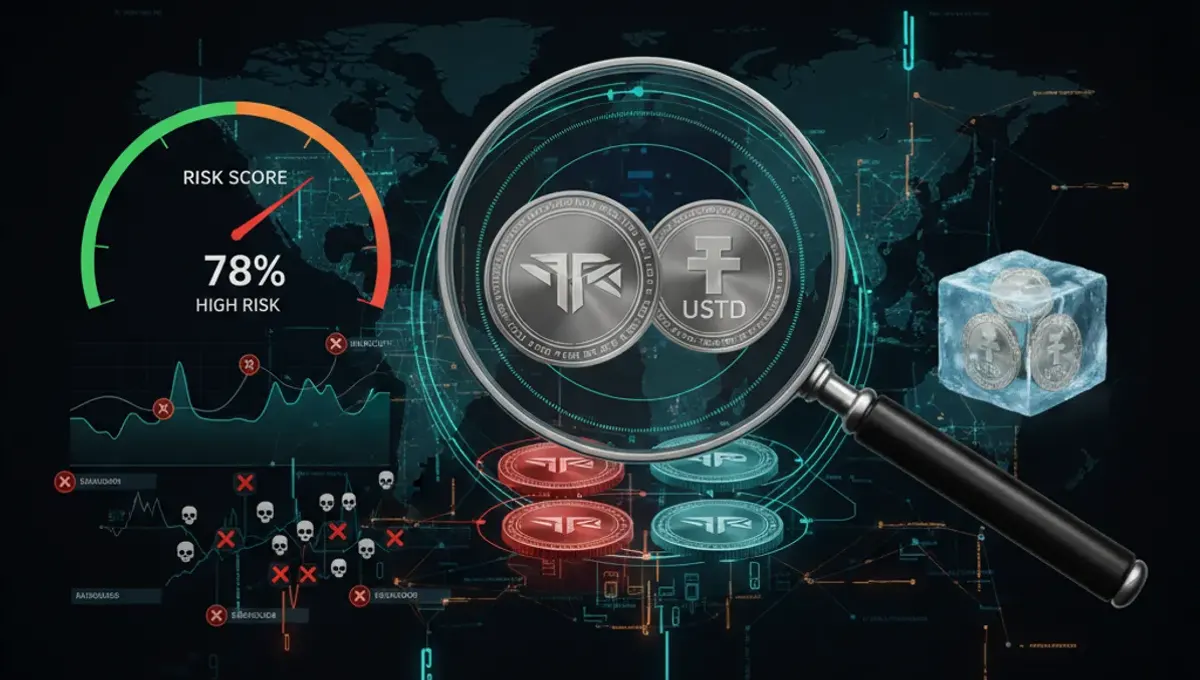
5. Risk scoring: Combines all signals into a single risk score (typically 0–100 or low/medium/high) that reflects the likelihood of illicit activity.
Exchanges and custodians configure these rules based on their compliance policies. A conservative institution might block any transaction scoring above 50; a more permissive one might only flag scores above 75. The rules are updated regularly as new darknet addresses and scam wallets are discovered.
Blockchain Transaction Monitoring vs. Traditional AML
Blockchain transaction monitoring differs from traditional AML in speed and transparency. Traditional AML relies on bank reports, wire transfer metadata, and customer declarations; blockchain monitoring reads immutable ledger data directly.
Key differences:
- Transparency: Every transaction is publicly visible on the blockchain; there is no hidden metadata. Monitoring tools analyze what is already recorded.
- Speed: Blockchain monitoring is near-instantaneous; traditional AML reviews can take days or weeks.
- Traceability: Crypto transactions are pseudonymous but traceable; once an address is linked to an entity or incident, all its activity is visible.
- Scope: Blockchain monitoring covers only on-chain activity; it cannot see off-chain exchanges or peer-to-peer cash trades.
For crypto-specific compliance, blockchain transaction monitoring is essential because it directly observes fund flows. Traditional AML frameworks (like FinCEN's guidance) now incorporate blockchain monitoring as a core component of crypto compliance programs.
How to Check a Crypto Address Before Receiving Funds
Before accepting a large transfer of USDT, TRX, BTC, or ETH, verify the sending address using a crypto transaction monitoring tool. Here is a practical workflow:
1. Obtain the sending address: Ask the sender for their wallet address or copy it from the transaction details.
2. Run an AML check: Use a verified monitoring tool to scan the address. Input the address and select the blockchain (Tron for TRX, Ethereum for ETH, Bitcoin for BTC).
3. Review the risk score: A score below 25 is generally considered low risk; 25–50 is medium; above 50 is high risk. High-risk addresses warrant further investigation.
4. Check flagged categories: Look for specific risk flags such as "darknet exposure," "mixer activity," "stolen funds," or "sanctions match." A single flag does not automatically mean the funds are illicit, but it requires judgment.
5. Decide: If the risk is acceptable and you trust the sender, proceed. If the risk is high and you cannot verify the sender's legitimacy, decline the transfer.
Many exchanges now require users to pass AML checks on deposit addresses; this same principle applies to peer-to-peer transfers. Our curated list of verified AML services on this site includes tools that specialize in address checking and can be a reliable starting point for this process.
Understanding Risk Score Levels and What They Mean
Risk scores translate complex blockchain data into a single number or category. Here is how to interpret them:
Low Risk (0–25): The address has clean transaction history, no known associations with darknet or sanctions, and typical usage patterns. Receiving funds from a low-risk address is generally safe.
Medium Risk (25–50): The address may have received funds from a mixer, participated in gambling, or has some unconfirmed associations. Medium-risk addresses warrant caution but are not automatically blocked by most exchanges.
High Risk (50–75): The address has clear exposure to darknet markets, mixing services, or stolen funds. Many exchanges will freeze or flag deposits from high-risk addresses.
Critical Risk (75–100): The address is directly linked to sanctions, confirmed theft, or active darknet operations. Receiving funds from a critical-risk address can result in account freezes or regulatory investigation.
Thresholds vary by institution. A regulated exchange might block anything above 50; a peer-to-peer user might accept medium risk if they trust the counterparty. The key is understanding what the score reflects and making an informed decision based on your risk tolerance and regulatory obligations.
What to Do If Your Crypto Is Flagged as Tainted
If your wallet receives funds flagged as tainted or dirty crypto, your options depend on the source and your jurisdiction:
If you received the funds unknowingly: Document the transaction, contact the sender to understand the source, and request a refund if the funds are illicit. Many exchanges will not allow you to withdraw flagged funds until the issue is resolved.
If an exchange froze your account: Contact the exchange's compliance team with documentation of the fund source. Legitimate users can often unfreeze accounts by proving the funds came from a lawful source (e.g., a paycheck, a sale, a loan from a known party).
If the funds are confirmed stolen: You may be required to return them. Knowingly retaining stolen cryptocurrency can expose you to civil and criminal liability depending on your jurisdiction.
If the flag is a false positive: Some addresses are flagged due to outdated data or misclassification. Request a review from the monitoring service or exchange; many offer appeals processes.
The best protection is prevention: always check addresses before receiving funds. Using verified AML services listed on this site ensures you are working with tools that maintain current, accurate risk databases.
Comparing Crypto Market Transaction Monitoring Solutions
Crypto transaction monitoring solutions vary in scope, accuracy, and cost. When evaluating tools, consider:
Coverage: Does the tool monitor Bitcoin, Ethereum, Tron, and other blockchains you use? Some tools focus on a single chain.
Data freshness: How often is the risk database updated? Real-time updates are more reliable than weekly refreshes.
Accuracy: Does the tool minimize false positives (flagging clean addresses as risky)? High false-positive rates create friction for legitimate users.
Compliance features: Does it support OFAC screening, sanctions list integration, and audit trails for regulatory reporting?
Ease of use: Can you check a single address quickly, or do you need to integrate an API?
Cost: Some tools offer free checks with limits; others charge per transaction or require enterprise licensing.
Support: Is customer support available if you need to dispute a flag or understand a risk score?
Our site maintains a curated list of verified AML services that meet these criteria. Starting with a trusted service from that list ensures you are using tools with proven accuracy and compliance pedigree, rather than experimenting with unproven platforms.
Frequently asked questions
Can crypto transactions be monitored in real time?
Yes. Blockchain transaction monitoring tools analyze transactions as they are confirmed on the ledger, typically within seconds to minutes. Exchanges and compliance platforms use real-time monitoring to flag suspicious activity immediately. However, monitoring accuracy depends on the tool's database; newer darknet addresses or scam wallets may not be flagged until they are added to the risk database.
What is the difference between KYT and KYC in crypto?
KYC (Know Your Customer) verifies the identity of account holders through documents and personal information. KYT (Know Your Transaction) monitors the transaction history and risk profile of wallet addresses. Both are required for compliance: KYC identifies who you are dealing with; KYT identifies whether their funds are clean. Crypto transaction monitoring tools perform KYT analysis.
How often should I check a crypto address for AML risk?
Check addresses before receiving significant transfers. For ongoing relationships with the same sender, a single initial check is usually sufficient unless the address shows new high-risk activity. If you are a business or exchange, implement continuous monitoring on all incoming deposits. Individual users should check at least once per new counterparty to avoid receiving tainted coins.
What happens if I receive USDT or TRX from a sanctioned address?
Receiving funds from a sanctioned address can result in account freezes, regulatory investigation, and potential legal liability depending on your jurisdiction. Exchanges are required to block sanctioned transactions. If you unknowingly receive sanctioned funds, contact your exchange's compliance team immediately and provide documentation of the source. Do not attempt to move or hide the funds.
Are free crypto transaction monitoring tools reliable?
Free tools offer basic screening but often have limitations: fewer blockchain chains covered, delayed database updates, or limited historical data. Paid or enterprise tools typically offer real-time updates, higher accuracy, and compliance reporting. For critical compliance decisions, use verified services with proven accuracy. Our site lists trusted AML services that balance cost and reliability.