What Is Crypto Transaction Monitoring and Why It Matters
Crypto transaction monitoring is the systematic review of blockchain transactions to flag high-risk activity before funds settle. Unlike traditional banking, where a single institution controls transaction flow, blockchain transactions are public and permanent. This means bad actors—scammers, sanctioned entities, darknet operators—leave traceable records. Exchanges, custodians, and compliance teams use transaction monitoring to meet regulatory requirements under AML/KYC frameworks. For individual users, monitoring protects against receiving tainted coins that exchanges will later freeze or reject. A single transaction from a mixer or darknet market can taint an entire wallet, making all subsequent transfers suspect. This is why checking a wallet's transaction history before accepting large transfers is now standard practice in institutional crypto.
How Crypto Transaction Monitoring Rules Work
Crypto transaction monitoring rules are automated checks that flag transactions based on predefined risk criteria. Common rules include:
- Source verification—checking if funds originate from known mixers, gambling platforms, or darknet markets;
- Sanctions screening—cross-referencing wallet addresses against OFAC and other sanctions lists;
- Pattern analysis—detecting rapid fund movements, layering, or unusual velocity;
- Counterparty risk—identifying if a transaction involves a known scam address or stolen funds;
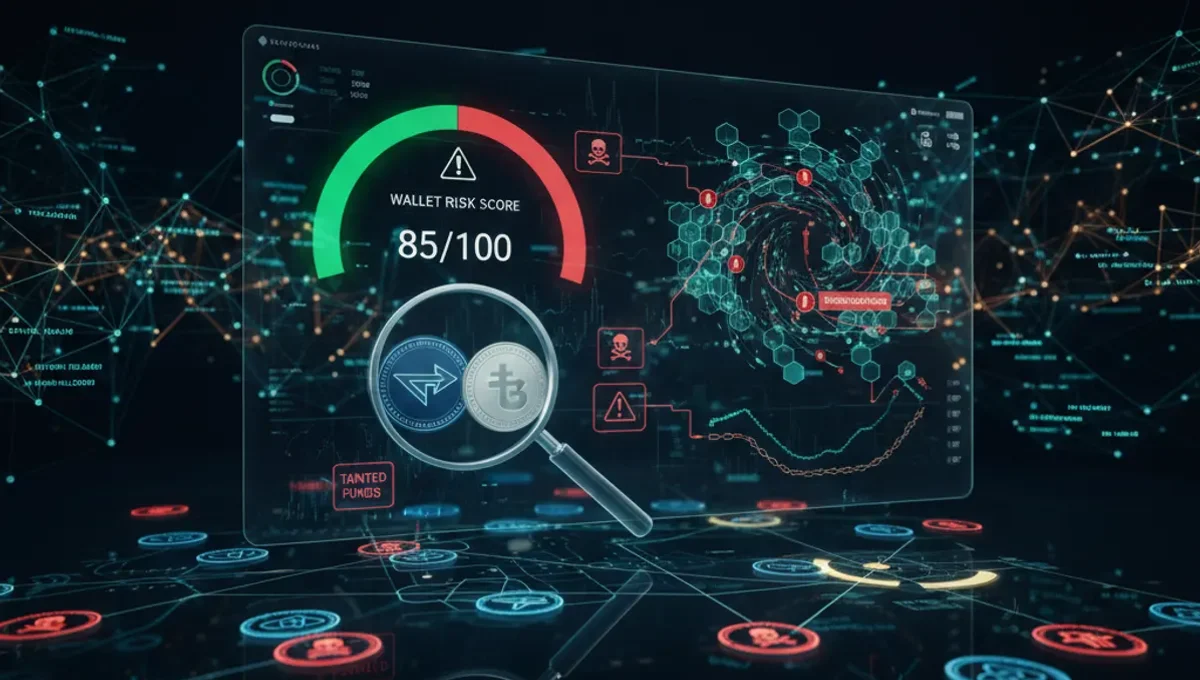
- Threshold alerts—flagging transactions above certain amounts or frequency limits. These rules generate a risk score, typically on a scale of 0–100, where higher scores indicate greater compliance risk. Exchanges and custodians set their own thresholds; a score above 50 often triggers manual review or account suspension. The rules are updated regularly as new threats emerge and regulatory guidance evolves.
Blockchain Transaction Monitoring Tools and Solutions
Blockchain transaction monitoring solutions range from basic wallet checkers to enterprise-grade platforms used by exchanges and financial institutions. Basic tools scan a single address against known risk databases and return a risk score within seconds. Mid-tier solutions offer historical transaction analysis, showing the full chain of fund movements and identifying where coins originated. Enterprise platforms integrate with exchange APIs, provide real-time alerts, and generate compliance reports for regulators. When choosing a crypto market transaction monitoring solution, look for:
- Coverage of major blockchains (Bitcoin, Ethereum, Tron, Solana);
- Updated sanctions and darknet databases;
- Clear risk scoring methodology;
- Audit trails for compliance documentation. Our curated list of verified AML services on this site includes tools tested for accuracy and regulatory alignment—checking wallets through trusted services listed there is the safest starting point for compliance.
How to Monitor a Crypto Address Before Receiving Funds
Before accepting a large transfer, follow these steps to monitor and verify the sending address:
- Obtain the full wallet address from the sender and confirm it matches official channels;
- Use a blockchain transaction monitoring tool to scan the address for risk flags;
- Review the risk score and any flagged activities (mixers, darknet exposure, sanctions hits);
- Check the transaction history—look for rapid fund movements, multiple hops, or recent activity from high-risk sources;
- If the score is above your acceptable threshold (typically 30–50 for institutional users), ask the sender for clarification or decline the transfer;
- Document the check for your records. For USDT and TRX transfers, also verify the token standard (TRC20 vs. ERC20) and confirm the receiving address is correct before confirming. This pre-transaction monitoring prevents you from accepting tainted coins that exchanges will later freeze or flag during withdrawal.
Understanding Risk Score Levels and Acceptable Thresholds
Risk scores from crypto transaction monitoring tools typically follow this scale: (0–20) Low risk—clean funds, no known darknet or sanctions exposure; (21–50) Medium risk—some exposure to mixers or unverified sources, but not necessarily illegal; (51–75) High risk—significant darknet activity, sanctions concerns, or stolen fund indicators; (76–100) Critical risk—direct sanctions hits, confirmed stolen funds, or active darknet market involvement. Acceptable thresholds depend on your use case. Retail users often accept scores up to 30; institutional buyers and exchanges typically reject anything above 50. Frozen USDT and exchange account bans often follow a critical-risk transaction. If you receive funds with a score above your threshold, do not move them immediately. Instead, contact the sender to clarify the source. If the source cannot be verified, consider rejecting the transfer or reporting it to your exchange's compliance team.
What Happens When Tainted Coins Are Detected
When an exchange or custodian detects tainted coins through transaction monitoring, several outcomes are possible:
- Account review—your account is flagged for manual compliance review, which can take days or weeks;
- Transaction hold—the specific transfer is frozen pending investigation;
- Partial or full account suspension—access to deposits, withdrawals, or trading is restricted;
- Forced liquidation—in extreme cases, the exchange may liquidate your holdings to cover compliance costs;
- Reporting to regulators—if stolen funds or sanctions violations are confirmed, the exchange may file a Suspicious Activity Report (SAR). Frozen USDT is particularly common because USDT is widely used and heavily monitored. Even if you unknowingly received tainted coins, you bear the compliance risk. The best defense is pre-transaction monitoring. If your account is frozen, contact your exchange's compliance team immediately with documentation of the transaction source. Transparency and cooperation often lead to faster resolution than silence.
Comparing Crypto Transaction Monitoring Solutions
When evaluating a cryptocurrency transaction monitoring solution, compare these factors:
- Blockchain coverage—ensure it supports Bitcoin, Ethereum, Tron, and other chains you use;
- Database currency—check how often sanctions lists and darknet databases are updated (daily is standard);
- Risk scoring transparency—understand the methodology behind the score, not just the number;
- False positive rate—some tools flag legitimate mixers or privacy wallets;
- Reporting features—can you export results for compliance records;
- Pricing—free tools work for occasional checks; paid tiers offer batch scanning and API access;
- Regulatory alignment—does the tool follow OFAC, FinCEN, and local AML guidelines. Our verified AML services list includes options tested across these criteria. Starting with a trusted service ensures you're using current data and recognized methodologies that regulators and exchanges respect.
Frequently asked questions
What is the difference between transaction monitoring and wallet screening?
Transaction monitoring tracks ongoing activity and fund movements over time, while wallet screening is a point-in-time check of a single address. Screening answers 'Is this wallet safe right now?' Monitoring answers 'Where did these funds come from and where are they going?' Both are essential for compliance.
Can I use free crypto transaction monitoring tools?
Yes, many free tools offer basic address screening and risk scoring. However, free versions often have limited blockchain coverage, outdated databases, or lower accuracy. For regular or high-value transfers, paid tools with real-time updates and audit trails are more reliable and defensible in compliance reviews.
How often should I monitor a crypto address?
Monitor before accepting any transfer, especially large amounts. If you hold funds long-term, re-check periodically—risk scores can change if new darknet or sanctions data emerges. Institutional users monitor continuously via API integration; retail users typically check on a per-transaction basis.
What does a high risk score mean for my USDT or TRX address?
A high score (above 50) indicates the address or its transaction history has exposure to mixers, darknet markets, sanctions entities, or stolen funds. Exchanges may freeze USDT or reject TRX transfers from flagged addresses. Investigate the source before moving or depositing the funds.
Will transaction monitoring prevent me from receiving legitimate funds?
No, if funds are clean. Legitimate senders have no issue with monitoring checks. If a sender refuses to clarify the source or the address shows genuine darknet exposure, that is a red flag. Monitoring protects you, not the sender.