What Is a TRC20 AML Check and Why It Matters
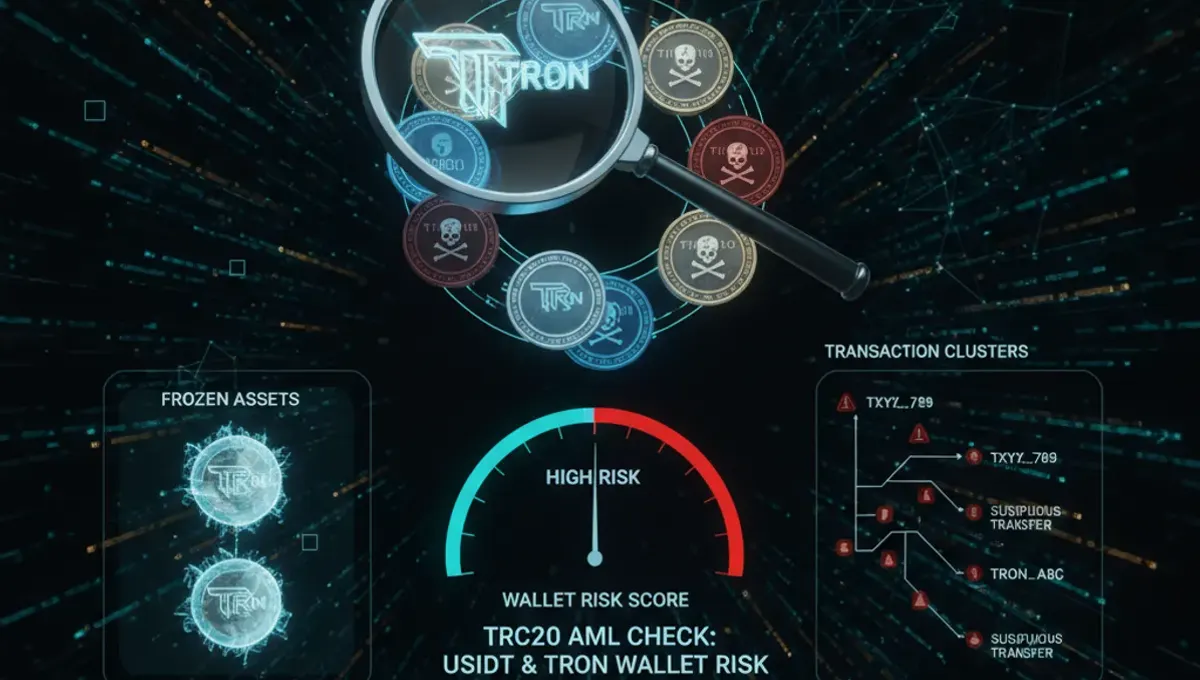
A TRC20 AML check is a blockchain analysis scan of a Tron address to assess compliance and financial crime risk. TRC20 is the token standard on the Tron network, used primarily for USDT and other stablecoins. When you receive crypto from an unknown party, that address may have a history of interaction with high-risk entities: darknet markets, mixing services, ransomware wallets, or sanctioned individuals. An AML check requirements include verifying the wallet's transaction history against known risk indicators. If coins are flagged as tainted, exchanges may freeze your account or reject deposits. Running an AML check before accepting large transfers protects you from compliance liability and operational disruption. The process is fast and often free or low-cost through verified AML services.
How the AML Check Process Works for Tron Addresses
The AML check process for TRC20 wallets follows these steps:
- Enter the Tron address into an AML screening tool.
- The service queries blockchain data and cross-references the address against known risk databases (darknet markets, mixing services, theft reports, sanctions lists).
- The tool assigns a risk score based on transaction patterns, counterparty exposure, and historical flags.
- Results display the risk level, specific risk categories, and transaction history summary.
- You review the findings and decide whether to proceed with the transaction.
The entire AML check process typically completes in seconds to minutes. Most services do not require account creation for a single lookup. Blockchain data is immutable and public, so the analysis relies on on-chain transaction records and third-party intelligence feeds. The accuracy of results depends on the service's data sources and update frequency. Reputable AML services maintain connections to law enforcement databases, exchange blacklists, and academic research on darknet activity.
Understanding Risk Scores and What They Mean
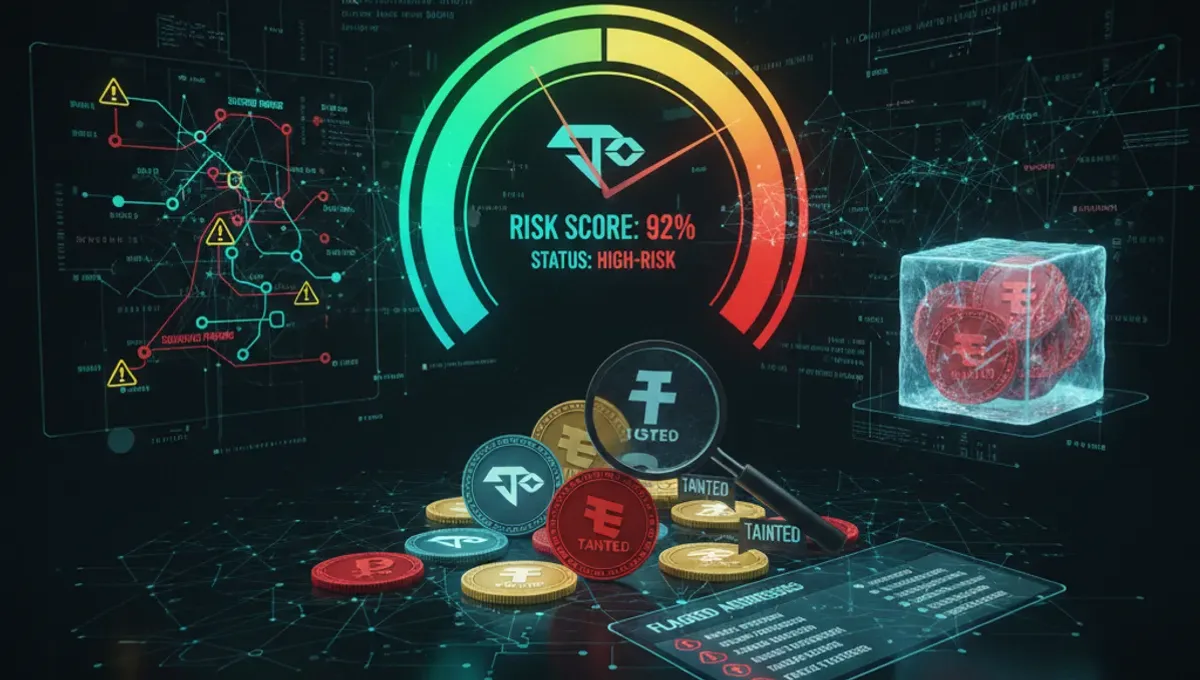
An AML check assigns a numerical or categorical risk score to indicate the likelihood that a wallet has been involved in financial crime or sanctions violations. Risk score levels typically range from low (green) to high (red):
- Low risk (0–20%): Minimal darknet or mixer exposure; standard transaction patterns.
- Medium risk (21–50%): Some interaction with higher-risk services; requires review.
- High risk (51–100%): Strong indicators of theft, sanctions, or darknet involvement; avoid unless verified.
Acceptable risk score thresholds depend on your use case and jurisdiction. For retail transactions, most users avoid anything above 30%. Institutional buyers may tolerate up to 10–15% if the counterparty is verified. A wallet flagged for mixer interaction does not automatically mean the coins are stolen; it indicates the sender used privacy tools, which some jurisdictions treat as a compliance red flag. The AML check fee varies by service and lookup volume; many offer free single checks or tiered pricing for bulk screening.
Step-by-Step: How to Check a TRC20 Address Before Receiving USDT
Follow this workflow to verify a Tron address before accepting a transfer:
- Copy the sender's Tron address (begins with T).
- Visit a trusted AML service from the verified list on this site.
- Paste the address into the search field and select "Tron" or "TRC20" as the blockchain.
- Click "Check" or "Scan" and wait for results (usually 10–30 seconds).
- Review the risk score and any flagged categories (darknet, mixer, sanctions, theft).
- If risk is low (under 20%), proceed with confidence.
- If risk is medium (20–50%), contact the sender to confirm the source of funds.
- If risk is high (above 50%), decline the transaction or escalate to compliance.
Document the AML check result for your records. If you receive USDT from a flagged address and later deposit it to an exchange, the exchange may freeze your account pending investigation. Proactive screening prevents this outcome. For recurring transactions with the same counterparty, you only need to check the address once unless significant time has passed.
Common Risk Flags in TRC20 Wallets: What to Watch For
When reviewing an AML check result, watch for these risk categories:
- Mixer exposure: The wallet sent or received funds through a mixing service, indicating an attempt to obscure transaction history.
- Darknet market interaction: The address has transacted with known darknet marketplace addresses.
- Stolen funds: The wallet received coins traced to a theft, hack, or ransomware attack.
- Sanctions: The address is linked to a sanctioned individual, entity, or country.
- Gambling: The wallet interacted with unregulated gambling platforms (a compliance concern in some jurisdictions).
- Scam association: The address is connected to a known Ponzi scheme or fraud.
Not all flags are deal-breakers. A single transaction with a mixer years ago may not outweigh a clean recent history. However, multiple flags or recent high-risk activity warrant caution. The AML check requirements for institutional clients are stricter; they often reject any address with mixer or sanctions exposure. For personal use, your risk tolerance may be higher, but exchanges and payment processors enforce their own policies regardless of your assessment.
What Happens If Your USDT or TRC20 Coins Are Flagged as Tainted
If you receive or hold USDT flagged as tainted by an AML check, several outcomes are possible:
- Exchange deposit rejection: When you try to deposit the coins, the exchange's compliance system flags them and blocks the transaction.
- Account freeze: The exchange may freeze your account pending investigation, even if you were the innocent recipient.
- Forced withdrawal: Some exchanges require you to move the coins off their platform within a set period.
- No technical barrier: The coins themselves are not locked on the blockchain; you can transfer them to another wallet or exchange, but the risk flag travels with the address history.
To minimize this risk, always run an AML check on incoming addresses before accepting large transfers. If you do receive flagged coins, contact the sender immediately to clarify the source. If the sender cannot explain the risk flags, consider rejecting the transaction or consulting a compliance advisor. Frozen USDT and account bans are costly and time-consuming to resolve. Proactive screening is far cheaper than remediation.
Choosing a Trusted AML Service for TRC20 Checking
Not all AML services are equal. When selecting a tool to check TRC20 addresses, look for:
- Multi-chain support: The service should cover Tron, Ethereum, Bitcoin, and other major blockchains.
- Real-time data: Results should reflect current blockchain state and recent threat intelligence.
- Transparent methodology: The service should explain how it calculates risk scores and which data sources it uses.
- Privacy: Your lookup history should not be sold or shared without consent.
- Pricing clarity: Free checks or affordable per-lookup fees without hidden charges.
- Customer support: Responsive help if you have questions about a result.
Our site maintains a curated list of verified AML services that meet these criteria. Start your TRC20 AML check through one of the trusted services listed there; they have been vetted for accuracy, speed, and compliance with industry standards. Avoid generic blockchain explorers or unverified tools, which may lack current threat intelligence or use outdated data.
Frequently asked questions
How long does a TRC20 AML check take?
Most AML checks complete in 10–30 seconds. The service queries blockchain data and cross-references the address against risk databases in real time. No account creation or manual review is required for standard lookups. Results are instant and can be repeated immediately if needed.
Is there a fee to check a Tron address for AML risk?
Many services offer one free check per day or per month. Bulk lookups or API access typically cost between a few cents and dollars per address. Some services charge a flat monthly subscription for unlimited checks. Pricing varies; check the AML services listed on this site for current rates and free-tier limits.
What does a low AML risk score mean for a TRC20 address?
A low risk score (under 20%) indicates the wallet has minimal exposure to darknet markets, mixers, theft, or sanctions. It suggests standard transaction patterns and no recent high-risk activity. Low-risk addresses are generally safe to receive from, though no score is 100% certain.
Can I receive USDT from a wallet flagged as high-risk?
Technically yes, but it carries compliance risk. Exchanges may freeze your account or reject deposits of coins from flagged addresses. If you receive high-risk USDT, contact the sender to verify the source. If unexplained, decline the transaction to avoid regulatory complications and account bans.
Do I need to check every Tron address I receive from?
For small, casual transactions from trusted contacts, a check may not be necessary. For large transfers, unknown senders, or business transactions, an AML check is highly recommended. It takes seconds and protects you from frozen funds and exchange account bans. Proactive screening is standard practice in crypto compliance.