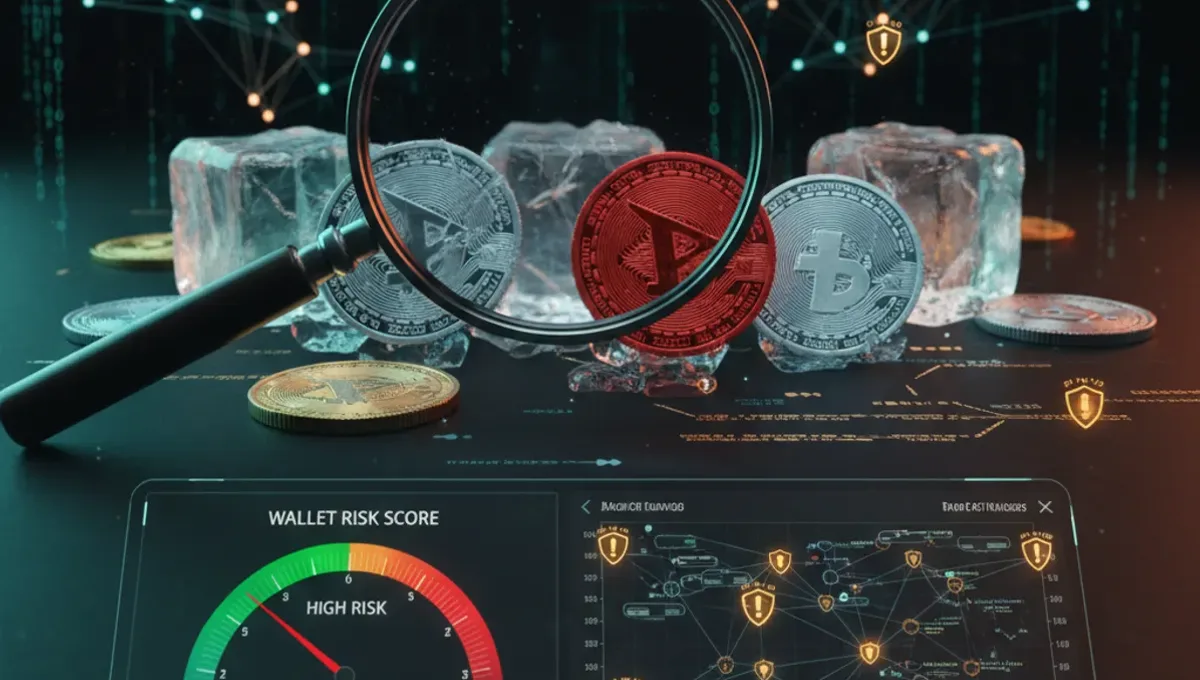
What the BitGo-NYDIG Deal Means for Institutional Crypto
When two major players in institutional crypto consolidate, compliance infrastructure becomes critical. BitGo, known for its multi-signature custody solution and AML monitoring, has acquired NYDIG's trading desk and around 30 employees along with their institutional client base. The deal strengthens BitGo's position in derivatives and spot trading while centralizing compliance workflows across a larger pool of institutional assets.
For traders and asset managers, the immediate question is: how does this merger affect your wallet screening, frozen funds risk, and overall exposure management?
How Institutional Crypto Custody Integrates AML Screening
Institutional trading platforms differ from retail exchanges in one critical way: they combine custody, execution, and compliance into a single operating system. BitGo's acquisition of NYDIG doesn't just add clients—it merges two distinct AML and KYC frameworks.
Key compliance layers at institutional platforms:
- Pre-deposit wallet screening: Before accepting institutional client funds, platforms must verify that incoming Bitcoin, Ethereum, USDT, or TRX addresses aren't flagged as tainted, sanctioned, or linked to darknet activity.
- Ongoing transaction monitoring: Real-time detection of suspicious activity within client accounts.
- Sanctions list checks: Cross-referencing counterparties and beneficial owners against OFAC and other regulatory databases.
- Mixer and darknet exposure mapping: Identifying whether client funds or trading counterparties have known exposure to privacy mixers or darknet markets.
BitGo's custody platform already integrates these layers. The NYDIG acquisition means NYDIG's client relationships now inherit BitGo's wallet screening protocols—potentially raising compliance standards for those accounts.
What Happens When Platforms Merge: Wallet Risk Consolidation
When institutional services consolidate, wallet screening standards typically harmonize upward. However, this creates a transition period where client portfolios are re-screened under the acquiring platform's risk scoring model.
Common consolidation compliance tasks:
- Re-screening existing wallets: NYDIG clients' receiving addresses are re-verified under BitGo's AML risk score system.
- Updating KYC/KYT records: Beneficial ownership and trading counterparty data are unified.
- Frozen fund recovery: Any flagged assets held by either platform must be documented and remediation paths clarified.
- Counterparty due diligence: If NYDIG clients traded with external parties, those relationships are now audited under BitGo's compliance standard.
For institutional traders holding USDT on Tron (TRC20), Bitcoin, or other assets, this means your wallet might undergo a fresh AML crypto check as systems integrate.
Risk Score Thresholds for Institutional Traders
Unlike retail platforms that often auto-block high-risk addresses, institutional services apply more nuanced thresholds. Understanding how your wallet is scored becomes crucial post-merger.
| Risk Category | Typical Threshold | Institutional Action |
|---|---|---|
| Clean (0–10%) | Safe | Full trading access |
| Low (10–30%) | Minor history | Approved with monitoring |
| Medium (30–60%) | Mixer or exchange exposure | Conditional approval; higher fees |
| High (60–90%) | Darknet, sanctions link, or stolen funds | Escalation to compliance; possible restriction |
| Critical (90–100%) | Confirmed criminal, sanctioned, or frozen | Account suspension; regulatory reporting |
Institutional platforms generally don't auto-freeze at "high" risk alone—they file SARs (Suspicious Activity Reports) and work with legal teams. BitGo's acquisition might raise thresholds for what triggers escalation, depending on how combined systems operate.
Before and After: How to Check Your Wallet's Risk Status
If you're an institutional trader with accounts at either platform, here's how to verify your wallet's standing post-merger:
Step 1: Document your addresses. List all Bitcoin, Ethereum, USDT, and TRX wallet addresses currently held at the merged platform or used for transfers to it.
Step 2: Use a third-party risk scorer. Before contacting the platform, run your addresses through an independent AML screening tool to get your own risk baseline. Many services provide free checks for a single address. Our site's curated list of verified AML services includes several institutional-grade checkers that give transparent risk scores.
Step 3: Check for tainted coin exposure. Look for any coins linked to known mixers, sanctioned entities, or darknet markets. Tainted coin detection tools flag these automatically.
Step 4: Request your compliance summary. Contact BitGo's institutional support directly for your post-merger AML assessment. They should provide a clear risk score and any conditions on your account.
Step 5: Address flagged exposure. If your wallet is flagged, ask for specifics: Is it a one-time transaction from a mixer? Sanctioned entity connection? Stolen funds? Remediation paths differ.
Practical Takeaways: What Institutional Traders Should Do Now
Immediate actions:
- Verify your account status: Log in and check for any compliance alerts or notifications.
- Run independent wallet screening: Don't wait for the platform's post-merger re-assessment. Check your own addresses now using trusted, independent AML services to identify any potential red flags before the merged system flags them.
- Document your address provenance: Keep records showing where your coins came from. If you received USDT on Tron or Bitcoin from known sources, that documentation helps with compliance review.
- Review trading counterparties: If you traded with external wallets or counterparties, ensure you have clear KYC/AML records for them.
- Plan for frozen fund scenarios: If any of your assets do get flagged as tainted coins or sanctioned, understand your platform's appeal process now—not when it happens.
Longer-term:
- Institutional platforms will increasingly require third-party wallet screening as part of onboarding. Having your own risk profile ready speeds up future account approvals.
- Consolidation is trending in institutional crypto. Expect more mergers, which means compliance standards will continue to tighten.
- Consider using independent AML checkers for all major addresses quarterly to stay ahead of risk escalation.
Frequently Asked Questions
Q: Will my frozen USDT be released after BitGo and NYDIG merge? Frozen funds are typically tied to regulatory holds or compliance investigations, not platform infrastructure. Merger alone won't release them. Contact the platform's compliance team with your transaction details for status updates.
Q: Can I check if my BTC wallet is flagged before the merger integration finishes? Yes. Use independent third-party wallet screening tools now—they don't rely on BitGo or NYDIG systems. This gives you a baseline risk score and time to remediate before the merged platform re-screens you.
Q: Does consolidation mean stricter AML rules? Typically yes, at least during integration. Larger platforms face higher regulatory scrutiny and often adopt the more conservative compliance approach of the two merging entities.
Q: What's a safe AML risk score for institutional trading? For institutional accounts, 0–30% is generally safe. Above 60% typically requires escalation. Thresholds vary by platform and counterparty requirements.
Q: How do I know if my wallet has darknet exposure? Use a dedicated tainted coin detection tool. These flag addresses linked to known darknet markets, mixers, and stolen fund repositories. Independent services provide transparency that platform scoring alone may not.
Conclusion
BitGo's acquisition of NYDIG's trading business consolidates institutional crypto infrastructure, which means stronger AML compliance frameworks—but also more rigorous wallet screening for traders. Understanding your own crypto AML compliance status is no longer optional for institutional players. Before the merged platform completes its full risk re-assessment, run a free AML crypto check on your major addresses using the trusted, verified services listed on our AML Services page. This gives you a clear baseline, identifies any tainted coin exposure early, and prepares you for whatever compliance changes the merged platform implements. Institutional crypto demands institutional due diligence—starting with your own wallet risk score.
Source: The Block